
In the rapidly evolving construction industry, tunnel infrastructure projects have become increasingly complex, demanding both precision and efficiency. One critical component in these projects is the use of custom tunnel lining segment molds. These molds are not just tools; they determine the accuracy, safety, and long-term durability of the entire tunnel lining system. For contractors and project managers, understanding the procurement process of these molds is essential to ensure project success, minimize costs, and avoid operational delays.
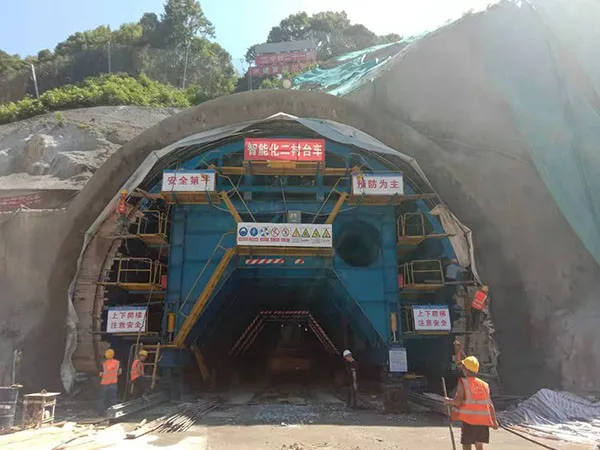
Tunnel lining segments are pre-cast concrete elements used to form the inner structure of tunnels. The molds that shape these segments directly affect the dimensional accuracy and surface finish of the finished product. Inaccurate molds can lead to misaligned segments, gaps, and structural weaknesses, ultimately compromising tunnel safety and increasing maintenance costs. Hence, customization of these molds is crucial. Every tunnel project has unique geological and structural requirements, making off-the-shelf molds insufficient in many cases.
Moreover, modern tunneling machines, such as Tunnel Boring Machines (TBMs), require segment molds that match their specific operational dimensions. Customized molds ensure compatibility with TBM systems and facilitate smooth installation of lining segments. This compatibility reduces downtime during segment production and enhances the overall efficiency of tunnel construction.
When planning the procurement of custom tunnel lining segment molds, several technical and operational factors should guide the selection process:
Material Selection
The durability and surface finish of concrete segments largely depend on the materials used for the molds. High-quality steel with corrosion-resistant coatings is generally preferred. This ensures longevity, reduces the frequency of mold replacements, and maintains consistent segment quality. For projects in humid or chemically aggressive environments, selecting molds with enhanced wear resistance is particularly important.
Dimensional Accuracy
Accurate mold dimensions are critical to ensure that the segments fit perfectly during tunnel assembly. Even minor deviations can result in gaps or misalignment, affecting the structural integrity of the tunnel. Manufacturers must be able to provide molds with precise tolerances and a proven track record of dimensional consistency.
Ease of Assembly and Maintenance
Custom molds should be designed for efficient assembly, disassembly, and cleaning. Modular molds with interchangeable components are often preferable because they allow easy replacement of worn parts without discarding the entire mold. This design flexibility can significantly reduce operational costs over the life of the project.
Surface Finish Requirements
Depending on the project specifications, the surface finish of the concrete segments can vary from smooth to textured. Molds must accommodate these requirements without additional finishing work, as unnecessary surface treatments increase labor costs and project timelines.
Manufacturer Expertise and Track Record
Selecting a reputable supplier with proven experience in producing custom tunnel lining segment molds is crucial. Suppliers should provide references from similar tunnel projects, technical documentation, and post-sale support to ensure any unforeseen challenges can be quickly addressed.
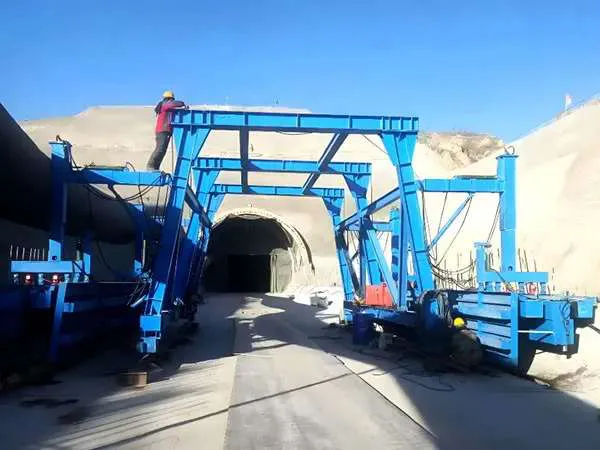
A systematic procurement process ensures that the right molds are delivered on time and meet the project’s technical requirements:
Requirement Analysis
Project teams should start by clearly defining the technical specifications of the tunnel segments, including diameter, thickness, curvature, and surface finish. This information serves as the foundation for mold customization.
Supplier Evaluation
Conducting thorough research on potential suppliers is critical. Factors to evaluate include production capacity, quality control standards, delivery timelines, and previous project experience. On-site inspections or virtual audits can help verify supplier capabilities.
Design Verification
Before manufacturing begins, suppliers should provide detailed mold designs and prototypes. This step allows engineers to verify that the molds meet dimensional and operational requirements. Adjustments at this stage are easier and more cost-effective than after full-scale production.
Production and Quality Assurance
During manufacturing, continuous quality checks are essential to ensure molds maintain dimensional accuracy and material integrity. Many suppliers offer advanced technologies, such as CNC machining and precision welding, to achieve consistent mold quality.
Delivery and Installation Support
Reliable delivery schedules and technical support during mold installation help avoid project delays. Some suppliers provide on-site assistance to ensure molds are correctly positioned and aligned in production facilities.
While custom molds represent a significant investment, careful planning can optimize costs without compromising quality. Bulk orders, long-term supplier partnerships, and modular mold designs can reduce unit costs and improve overall project efficiency. Additionally, investing in durable molds minimizes replacement frequency, ultimately saving money over the tunnel’s construction lifecycle.
It is also important to balance cost with technical performance. Selecting the cheapest option without verifying quality or supplier expertise can lead to higher downstream expenses, including segment rejection, rework, or construction delays. A strategic procurement approach prioritizes value over upfront cost, ensuring long-term benefits.
The procurement of custom tunnel lining segment molds is a critical step in modern tunnel construction, directly impacting project quality, safety, and efficiency. By focusing on material quality, dimensional precision, ease of maintenance, and supplier reliability, construction teams can secure molds that meet their project requirements while optimizing costs. Following a structured procurement process, from requirement analysis to delivery and installation support, ensures that tunnel projects proceed smoothly without unexpected disruptions.
For construction companies aiming to stay competitive in the growing tunneling market, understanding and implementing best practices in mold procurement is not optional—it is essential. Choosing the right molds lays a strong foundation for durable, safe, and efficient tunnel infrastructure, reinforcing the overall success of every underground construction project.
Gaofei
Address: 200m east of tulip garden, group 12 of zhangling community, hongshan street office, hongshan town, xigong district, Luoyang
Tel: +8616638856888
Contact: Gaofei Huang
Mobile: +86-18637923976
Phone: 0379-80881719/ 0379-60162687
QQ: 286827457
E-mail: gaofei@gf-bridge-tunnel.com