Selecting the appropriate tunnel formwork system is a critical decision that directly impacts construction efficiency, safety, and overall project costs. For contractors and project managers evaluating formwork solutions, the choice between lightweight and heavy-duty tunnel formwork often determines the success of large-scale infrastructure or building projects. This article provides a professional, data-driven comparison to help you make an informed decision, drawing on industry best practices and the expertise of formwork manufacturers like Gaofei.
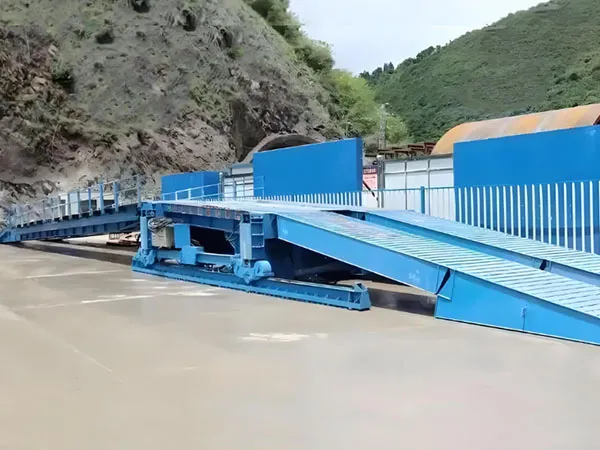
Lightweight tunnel formwork typically uses aluminum alloy or high-strength steel with thinner profiles, designed for manual handling and fast assembly. Heavy-duty tunnel formwork, by contrast, features thicker steel sections, reinforced frames, and often integrates hydraulic systems for movement and stripping. The core distinction lies in load-bearing capacity, weight, and the intended application scale.
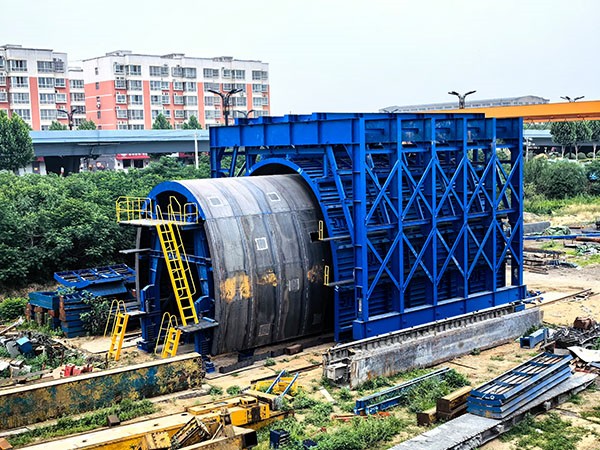
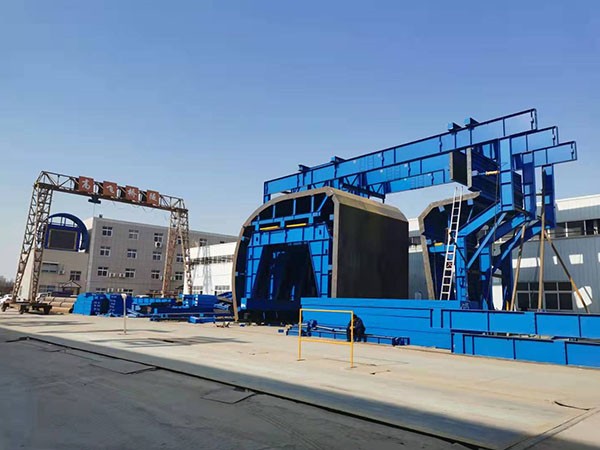
Lightweight systems usually incorporate aluminum beams and plywood panels, making them easy to transport and assemble without heavy machinery. Heavy-duty systems use steel sections (often S355 grade), welded joints, and full-height steel panels, capable of supporting wet concrete pressures exceeding 80 kN/m². Gaofei's heavy-duty line, for example, utilizes hot-rolled steel with anti-corrosion coating for longevity in harsh tunnel environments.
A standard lightweight tunnel formwork panel (2.5m x 3m) weighs around 250-350 kg, allowing crane-free repositioning using dollies or simple lifting equipment. Heavy-duty panels of similar dimensions can weigh 800-1500 kg, requiring tower cranes or gantries for movement. This weight difference affects not only on-site labor but also floor loading in multi-story applications.
To clarify the decision-making process, the following list summarizes key performance attributes for each type.
The right choice depends on project-specific conditions. Below we analyze the most critical selection factors.
For large tunnel projects (e.g., subway lines, highway tunnels) with hundreds of identical pours, heavy-duty formwork offers the lowest cost per use despite higher initial investment. The structural rigidity ensures consistent geometry across long runs. Conversely, for small to medium projects (e.g., short tunnels, underpasses, basement parking), lightweight formwork provides flexibility and lower upfront capital, reducing financial risk.
Heavy-duty formwork demands robust craneage. If your site has limited lifting capacity or restricted access (e.g., urban renovation projects), lightweight systems are often the only feasible option. Gaofei recommends evaluating the maximum panel weight against available crane capacity before committing to a system type.
Lightweight systems require less specialized training. Most construction crews can assemble them with minimal instruction. Heavy-duty systems, especially those with hydraulic jacks and complex alignment mechanisms, need trained operators and experienced engineers. The labor cost differential can be significant in regions with skilled worker shortages.
When comparing lightweight vs heavy-duty formwork, consider not just purchase price but total cost over the project lifecycle.
Having supplied formwork for hundreds of tunnel projects worldwide, Gaofei's engineering team suggests the following decision framework:
A recent metro project in Southeast Asia used Gaofei heavy-duty tunnel formwork for 2 km of twin-bore tunnels (500+ pours). The system achieved an average cycle time of 2.5 pours per week per set, with concrete surface quality exceeding Class F2 standards. The contractor reported 20% faster completion than previous projects using lightweight systems, despite higher initial equipment cost.
Lightweight systems are designed for concrete pressures up to 50 kN/m². For pressures above this threshold, heavy-duty is mandatory to prevent bulging or collapse. Always consult the manufacturer's specifications and conduct a structural design check.
Lightweight formwork can typically be stripped after 8-12 hours for normal concrete, while heavy-duty may require 12-16 hours due to higher mass and thermal retention. However, heavy-duty hydraulic systems can speed up stripping by 30% compared to manual methods.
With regular maintenance, heavy-duty steel formwork lasts 10-15 years; lightweight aluminum with plywood has a 5-8 year lifespan before major panel replacement is needed.
The choice between lightweight and heavy-duty tunnel formwork is not binary—it should be based on a thorough analysis of project requirements, site constraints, and financial objectives. Lightweight systems offer speed and flexibility for smaller projects; heavy-duty delivers durability and precision for high-volume repetitive tunnel construction. By understanding these differences and engaging experienced suppliers like Gaofei, contractors can select the optimal formwork solution that maximizes ROI while maintaining safety and quality standards. Always conduct a site-specific engineering evaluation before finalizing your decision.
Gaofei
Address: 200m east of tulip garden, group 12 of zhangling community, hongshan street office, hongshan town, xigong district, Luoyang
Tel: +8616638856888
Contact: Gaofei Huang
Mobile: +86-18637923976
Phone: 0379-80881719/ 0379-60162687
QQ: 286827457
E-mail: gaofei@gf-bridge-tunnel.com