When planning a tunnel lining project, the choice between hydraulic tunnel lining formwork and manual formwork systems can significantly impact timelines, budgets, and structural quality. While both methods serve the same foundational purpose — shaping and supporting the concrete lining of tunnels — their operational principles, labor requirements, and performance metrics differ substantially. Understanding these differences is crucial for contractors, engineers, and project owners looking to optimize their next underground infrastructure project. In this article, we explore the five key distinctions that separate hydraulic from manual tunnel lining formwork, helping you make an informed decision. Gaofei, a leading manufacturer in tunnel formwork solutions, offers advanced hydraulic systems that address many of the challenges faced by manual approaches.
The most immediate difference lies in how quickly each system completes a lining cycle. Manual formwork relies on hand-operated adjustments, repositioning of panels, and individual bolt tightening. A typical manual cycle for a single tunnel section can take anywhere from 12 to 24 hours, depending on crew size and experience.
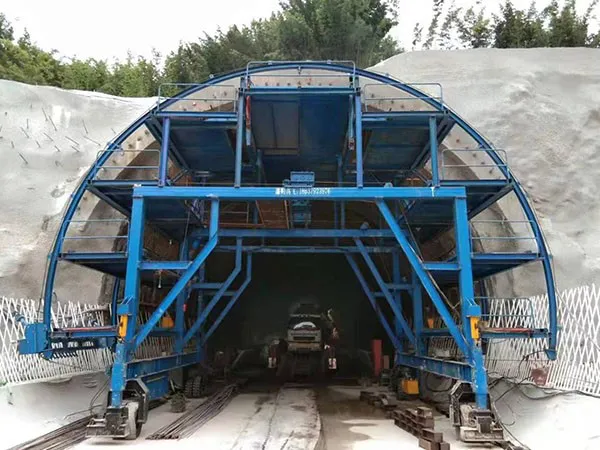
In contrast, hydraulic tunnel lining formwork uses integrated cylinders and control systems to move, align, and lock the formwork in place with minimal manual intervention. A hydraulic system from Gaofei can reduce the cycle time to 4–6 hours — a 50–70% reduction compared to manual methods. This speed advantage directly translates into faster project completion and reduced labor costs.
Manual tunnel lining formwork demands a larger crew of skilled carpenters, welders, and riggers. Each repositioning requires precise measurement, manual tightening, and careful alignment — tasks that are physically demanding and prone to human error. A typical manual crew might consist of 6–10 workers per shift.
Hydraulic systems drastically reduce the need for skilled labor. A single operator can control the entire movement of the formwork from a remote panel. Gaofei’s hydraulic formwork is designed with intuitive controls and automated safety interlocks, meaning one or two operators can manage what previously required a full crew. This not only cuts labor costs but also addresses the growing shortage of skilled tunnel workers in many regions.
Safety is a paramount concern in tunnel construction. Manual formwork exposes workers to multiple hazards: heavy lifting, working at height, pinch points, and repetitive strain injuries. The constant manual re-tensioning of bolts and repositioning of heavy steel panels increases the risk of accidents.
Hydraulic formwork improves safety by automating the most dangerous tasks. With Gaofei’s systems, workers remain at a safe distance while the formwork is moved and locked hydraulically. Many hydraulic formwork units also include integrated safety features like overload protection, emergency stop buttons, and position sensors that prevent misalignment. The result is a significantly lower incident rate and improved overall site safety culture.
The quality of concrete lining directly affects tunnel durability, waterproofing, and long-term performance. Manual formwork depends heavily on the skill and consistency of the crew. Even slight misalignments during assembly can lead to uneven surfaces, cold joints, or voids in the concrete.
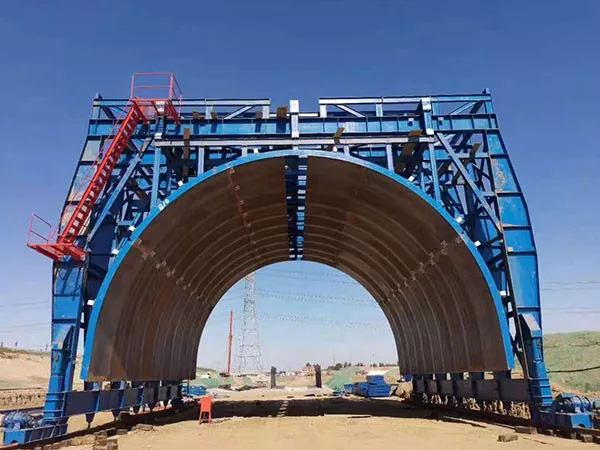
Hydraulic formwork offers superior precision. The automated movement ensures that form panels are positioned within tight tolerances every cycle. Gaofei’s hydraulic systems use laser-guided alignment and pressure‑controlled compaction, producing smoother lining surfaces with fewer defects. Additionally, the consistent hydraulic pressure during concrete pouring reduces the risk of panel deflection, resulting in uniform wall thickness and better load‑bearing capacity.
Initial investment is often the first consideration. Manual formwork generally has a lower upfront cost because it uses simpler components and is easier to fabricate locally. However, the total cost of ownership must account for labor, productivity, maintenance, and project duration.
Hydraulic formwork, such as Gaofei’s systems, has a higher initial price but offers significant savings in operating expenses. The reduced labor requirement, faster cycles, and lower rework rates quickly offset the capital outlay. For projects longer than six months, hydraulic formwork often proves more economical. Moreover, hydraulic systems have longer service life because they experience less wear from manual handling and are built with higher‑grade steel and components.
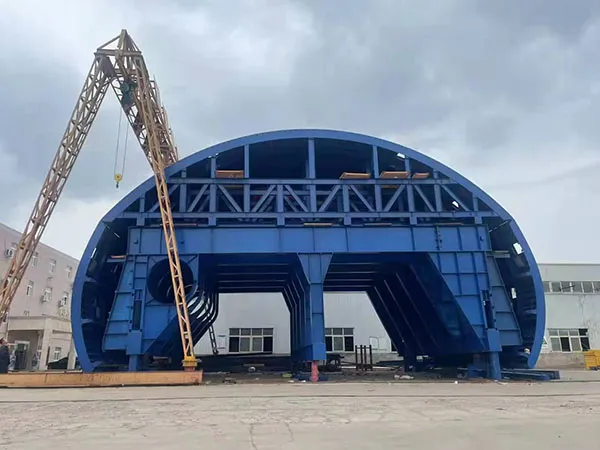
The decision between hydraulic tunnel lining formwork and manual methods ultimately depends on project scale, budget, labor availability, and quality requirements. While manual systems may still be suitable for short, simple tunnels or sites with limited access, hydraulic formwork offers clear advantages in efficiency, safety, quality, and long‑term cost. Gaofei’s hydraulic formwork solutions are engineered to help contractors achieve faster cycles, reduce labor dependency, and deliver superior lining quality — all while maintaining a strong return on investment. Evaluate your next tunnel project against these five key differences, and you will be well‑equipped to choose the right system for your needs.
Gaofei
Address: 200m east of tulip garden, group 12 of zhangling community, hongshan street office, hongshan town, xigong district, Luoyang
Tel: +8616638856888
Contact: Gaofei Huang
Mobile: +86-18637923976
Phone: 0379-80881719/ 0379-60162687
QQ: 286827457
E-mail: gaofei@gf-bridge-tunnel.com