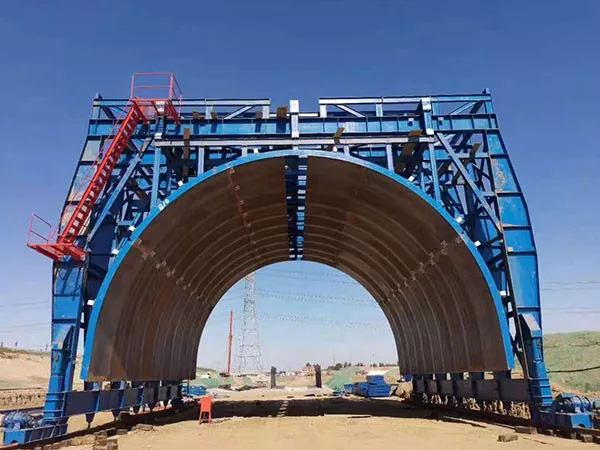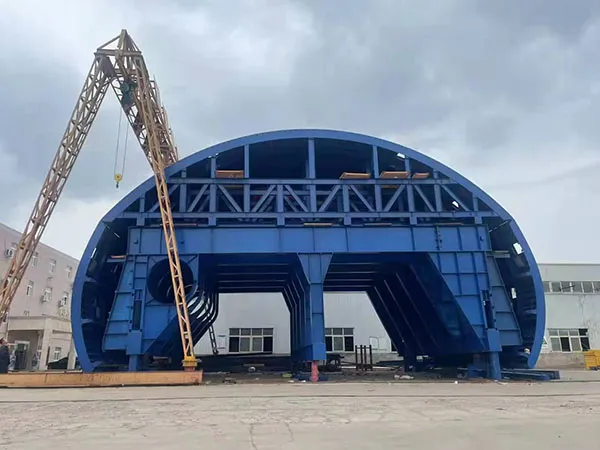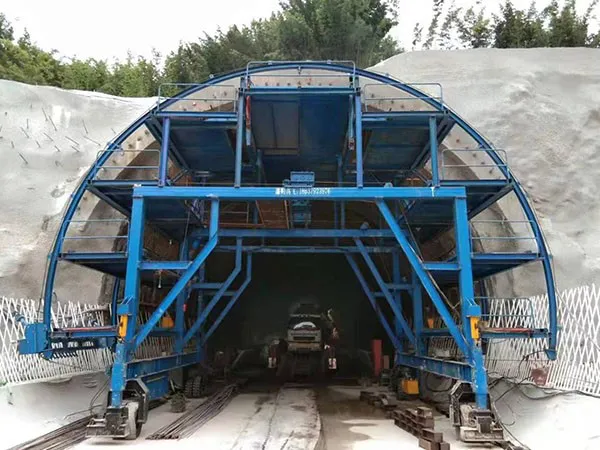
Hydraulic tunnel formwork plays a pivotal role in modern tunneling projects, offering efficiency, safety, and precision. However, the cost of hydraulic tunnel formwork can vary significantly depending on multiple variables. Understanding the factors affecting hydraulic tunnel formwork pricing is crucial for project planners, contractors, and engineers who aim to balance quality with budget considerations.
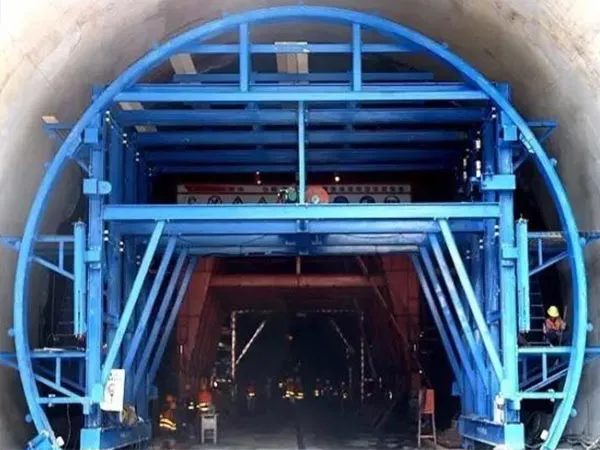
The first and most obvious factor influencing the price of hydraulic tunnel formwork is the quality of the materials used. High-grade steel or aluminum alloys ensure durability and reduce the risk of deformation under heavy loads. In contrast, lower-quality materials might reduce initial costs but can lead to higher maintenance expenses and shorter service life. Additionally, the formwork’s surface treatment, such as anti-corrosion coatings or specialized finishes, can further affect pricing. For projects in harsh environments, opting for premium materials can prevent long-term costs associated with repairs and replacements.
The complexity of the hydraulic tunnel formwork design is another significant factor. Standard modular systems that fit typical tunnel diameters and profiles are generally more affordable due to mass production. However, tunnels with unique shapes, intersections, or irregular curves require customized formwork solutions. Customized systems demand advanced engineering, precision fabrication, and additional labor, which all contribute to higher pricing. Furthermore, features like integrated scaffolding, adjustable hydraulic cylinders, and automated safety locks increase the initial investment but enhance operational efficiency.
The size of the tunnel and the expected load-bearing requirements directly influence formwork pricing. Larger tunnels require more extensive frameworks, stronger structural components, and higher-capacity hydraulic systems. These requirements not only increase material costs but also affect transportation, installation, and operational expenses. High-load scenarios, such as tunnels designed for metro systems or heavy freight, necessitate formwork capable of sustaining substantial pressure, which can significantly elevate the total price.
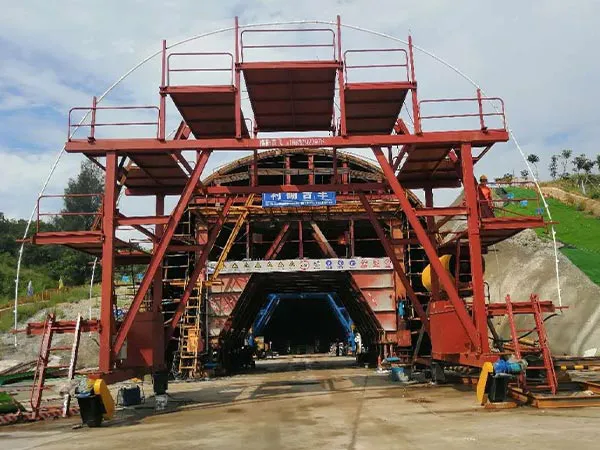
Hydraulic tunnel formwork relies on integrated hydraulic systems for lifting, tilting, and positioning. The specifications of these systems, including cylinder size, pump capacity, and control precision, are critical pricing determinants. Advanced hydraulic components with higher pressure ratings, precise control systems, and safety redundancies are costlier but provide superior performance and reliability. Conversely, basic hydraulic setups may reduce upfront costs but could limit operational flexibility and increase the risk of downtime.
The location of manufacturing and labor costs also influences hydraulic tunnel formwork pricing. Formwork produced in regions with higher labor costs or stringent quality control standards often carries a premium. On the other hand, formwork manufactured in cost-effective regions may offer lower initial pricing but requires careful evaluation of quality consistency. Additionally, the labor costs associated with on-site assembly, adjustments, and maintenance contribute to the overall investment.
Due to their size and weight, hydraulic tunnel formwork systems incur significant transportation and logistics expenses. Long-distance shipping, oversized cargo handling, and special transportation permits all add to the total project cost. For remote tunnel construction sites, additional considerations such as site access, storage, and handling equipment are necessary. Therefore, efficient planning and strategic sourcing of formwork can help manage costs effectively.
Long-term maintenance requirements and service agreements are integral to understanding pricing. Some suppliers offer comprehensive service packages, including routine inspections, hydraulic system checks, and spare parts availability. While these services may increase the initial purchase price, they ensure operational continuity, reduce unplanned downtime, and extend the service life of the formwork. Projects with high reliability demands often benefit from investing in formwork systems with robust maintenance support.
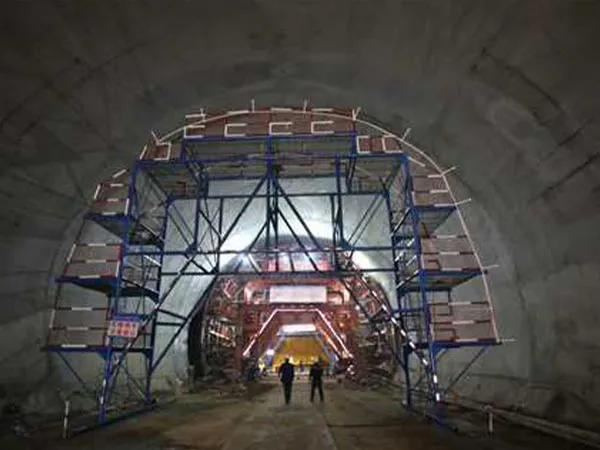
Lastly, market dynamics and supply chain conditions can influence hydraulic tunnel formwork pricing. High demand periods, material shortages, or fluctuations in steel and aluminum prices can increase costs. Conversely, competitive markets with multiple suppliers may offer more favorable pricing options. Project planners must stay informed about market trends, procurement timing, and supplier reliability to make cost-effective decisions.
Understanding the factors affecting hydraulic tunnel formwork pricing is essential for successful tunnel construction projects. Material quality, design complexity, tunnel size, hydraulic system specifications, manufacturing and labor costs, logistics, maintenance requirements, and market conditions all play vital roles in shaping overall costs. By carefully evaluating these factors, project stakeholders can make informed decisions, optimize budgets, and select formwork solutions that ensure both efficiency and safety.
For construction companies and contractors, partnering with experienced suppliers who provide detailed cost breakdowns and reliable after-sales support can make a significant difference. Proper planning and strategic investment in high-quality hydraulic tunnel formwork not only improve project outcomes but also reduce long-term operational risks.
Gaofei
Address: 200m east of tulip garden, group 12 of zhangling community, hongshan street office, hongshan town, xigong district, Luoyang
Tel: +8616638856888
Contact: Gaofei Huang
Mobile: +86-18637923976
Phone: 0379-80881719/ 0379-60162687
QQ: 286827457
E-mail: gaofei@gf-bridge-tunnel.com