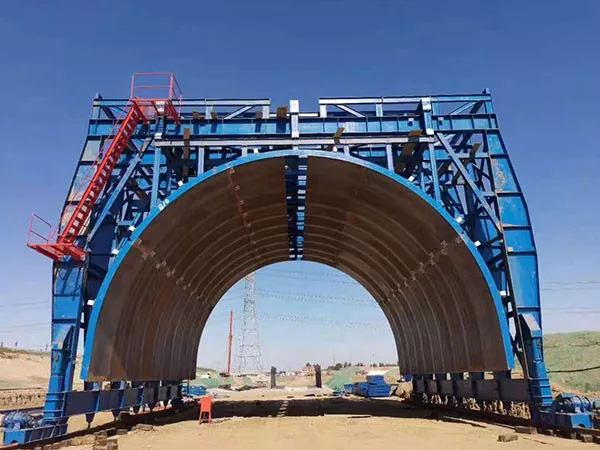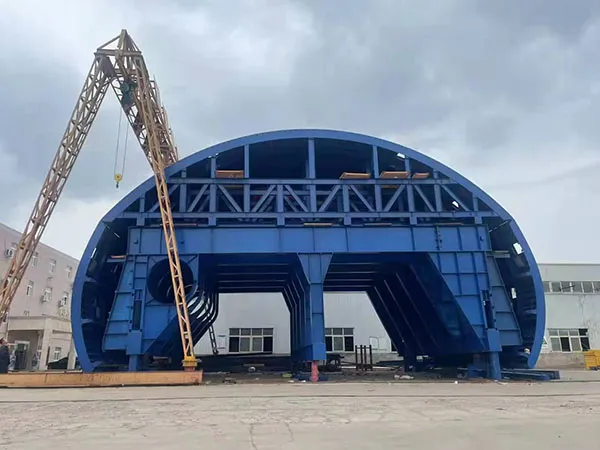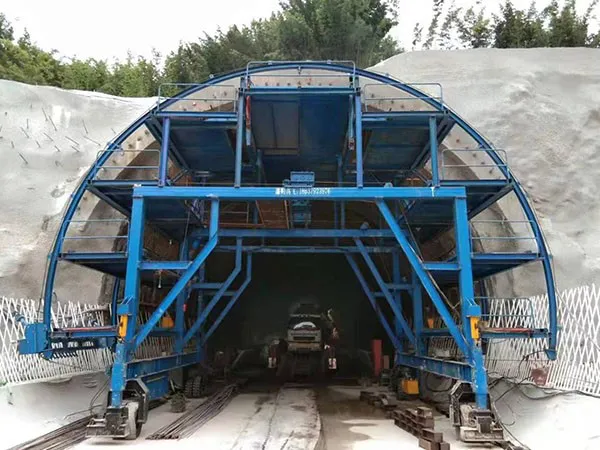
In modern civil engineering and urban infrastructure projects, the construction of tunnels presents unique challenges that demand both precision and speed. Traditional construction methods often require extensive scaffolding, repetitive formwork setups, and considerable labor hours. As urban areas expand and transportation networks become more complex, the need for efficient, safe, and cost-effective tunnel construction solutions has never been greater. This is where concrete tunnel formwork comes into play, revolutionizing the way engineers approach tunnel construction.
Concrete tunnel formwork is a specialized system designed to shape and support concrete until it hardens, allowing for the rapid and accurate construction of tunnel segments. Unlike conventional formwork, tunnel formwork is typically modular and reusable, tailored to fit the geometric profile of the tunnel, whether circular, horseshoe-shaped, or rectangular. This precision ensures that the final structure meets both design specifications and safety standards.
One of the core advantages of tunnel formwork lies in its adaptability. Engineers can pre-fabricate the forms off-site, ensuring uniform quality, and then transport them to the construction site for assembly. This approach minimizes on-site errors and significantly reduces construction timelines.
Enhanced Construction Speed
Traditional tunnel construction often requires multiple steps, including building scaffolds, setting up timber forms, and manually supporting concrete during curing. Concrete tunnel formwork simplifies these steps by combining shaping and support into a single system, enabling continuous casting cycles. In practice, this can reduce the construction period by up to 30–50%, which is critical for projects operating under tight deadlines.
Improved Structural Quality
The uniformity provided by pre-engineered tunnel forms ensures consistent concrete thickness, smooth surface finishes, and precise alignment. Reduced human error during assembly translates to fewer defects, such as uneven walls or misaligned segments, enhancing long-term structural durability and reducing maintenance costs.
Cost Efficiency
While the initial investment in concrete tunnel formwork systems can be higher than traditional methods, the long-term savings are substantial. Reusable modular forms lower labor costs, minimize material waste, and accelerate project timelines. For large-scale infrastructure projects like metro tunnels or hydropower conduits, these savings can be significant, effectively improving the return on investment.
Enhanced Safety on Site
Tunnel construction is inherently hazardous, with risks ranging from structural collapse to worker fatigue due to repetitive tasks. Concrete tunnel formwork reduces these hazards by offering stable, pre-engineered components that minimize on-site adjustments and repetitive manual labor. Workers can operate within safer, more predictable environments, reducing the likelihood of accidents.
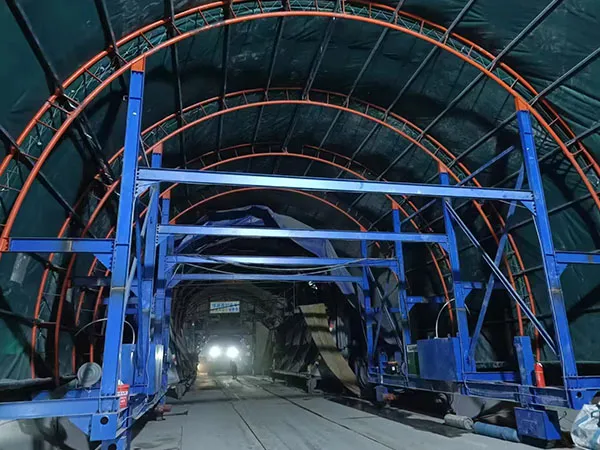
Concrete tunnel formwork is particularly valuable in projects that require high-speed urban tunneling. Metro rail systems, underground pedestrian passages, sewage and water pipelines, and vehicular tunnels all benefit from the precision and speed provided by these systems. Additionally, specialized forms can accommodate complex tunnel geometries, including curved alignments, branching segments, and variable diameters, making them highly versatile for diverse civil engineering challenges.
Beyond transportation, concrete tunnel formwork has also found applications in energy and utility projects. Hydropower tunnels, geothermal channels, and underground utility conduits benefit from the repeatable precision of modular formwork systems, which ensure accurate flow paths and structural integrity over long spans.
While concrete tunnel formwork offers numerous advantages, careful selection and planning are critical to maximize benefits:
Material Quality: Forms are often made of high-strength steel or aluminum. The choice of material impacts durability, weight, and ease of assembly. Steel forms are robust and ideal for long-term use, while aluminum forms are lightweight and easier to handle.
Modularity and Adaptability: A good system allows for easy adjustment to different tunnel diameters and shapes, reducing the need for custom solutions and enabling faster assembly cycles.
Integration with Construction Workflow: The formwork system should align with concrete pouring schedules, curing times, and tunnel lining requirements. Efficient workflow integration prevents delays and ensures continuous construction progress.
Maintenance and Reusability: Frequent cleaning, inspections, and occasional repairs ensure forms maintain their precision and longevity, making the investment more cost-effective over multiple projects.
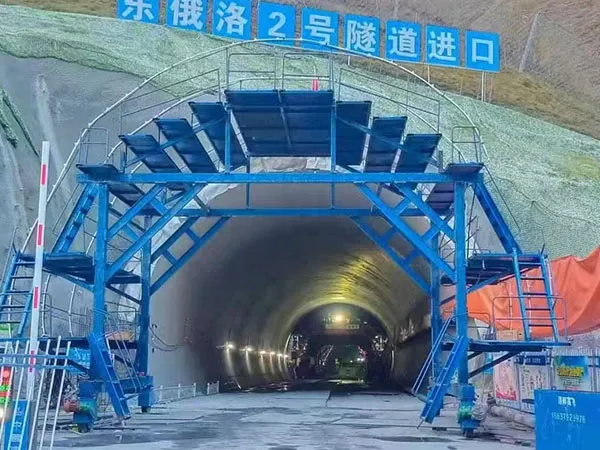
Despite its advantages, concrete tunnel formwork is not without challenges. Transporting large pre-fabricated forms to confined urban sites can be logistically demanding. Solutions include designing forms in modular sections that can be easily moved using cranes or specialized vehicles. Moreover, training workers to assemble and operate the system safely is essential to prevent accidents and maintain quality standards. Partnering with experienced formwork suppliers and conducting thorough pre-construction planning can address these challenges effectively.
In the era of rapid urbanization and infrastructure development, concrete tunnel formwork represents a pivotal innovation that combines efficiency, quality, and safety. Its ability to streamline construction cycles, reduce labor costs, and deliver consistent structural integrity makes it an indispensable tool for modern civil engineering projects. By carefully selecting the right formwork system and integrating it into well-planned construction workflows, engineers can achieve faster project completion, superior structural quality, and greater overall cost efficiency.
For companies and contractors looking to stay competitive in tunnel construction, investing in advanced concrete tunnel formwork systems is not just a technical choice—it is a strategic decision that impacts project timelines, budget efficiency, and long-term reliability.
Gaofei
Address: 200m east of tulip garden, group 12 of zhangling community, hongshan street office, hongshan town, xigong district, Luoyang
Tel: +8616638856888
Contact: Gaofei Huang
Mobile: +86-18637923976
Phone: 0379-80881719/ 0379-60162687
QQ: 286827457
E-mail: gaofei@gf-bridge-tunnel.com