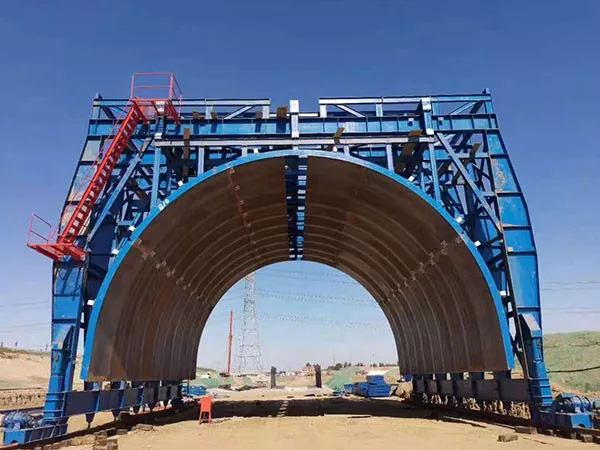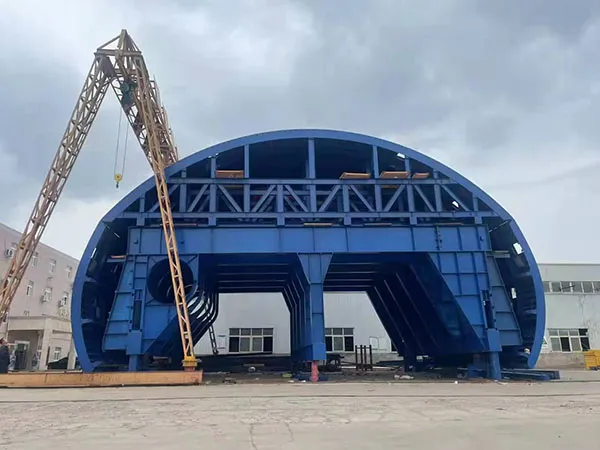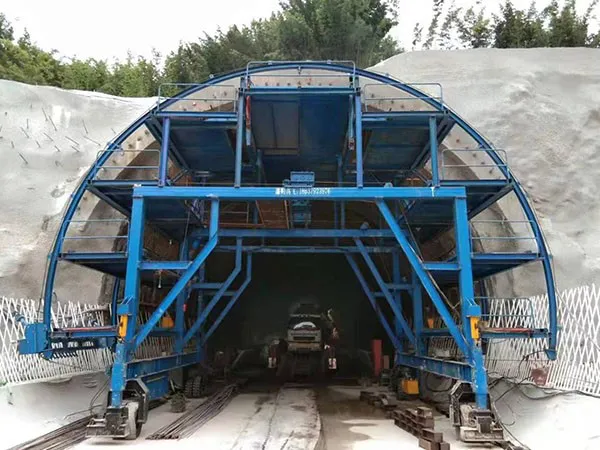

Tunnel formwork systems have revolutionized the construction of repetitive concrete structures such as residential towers, underground tunnels, and industrial facilities. These systems allow for rapid casting of walls and slabs in a single operation, significantly improving construction speed and consistency. However, while tunnel formwork offers numerous advantages during the construction phase, its deconstruction—or dismantling—poses unique safety challenges that must be carefully managed. Understanding the safety precautions for tunnel formwork deconstruction is essential to prevent accidents, maintain structural integrity, and ensure the efficiency of ongoing projects.
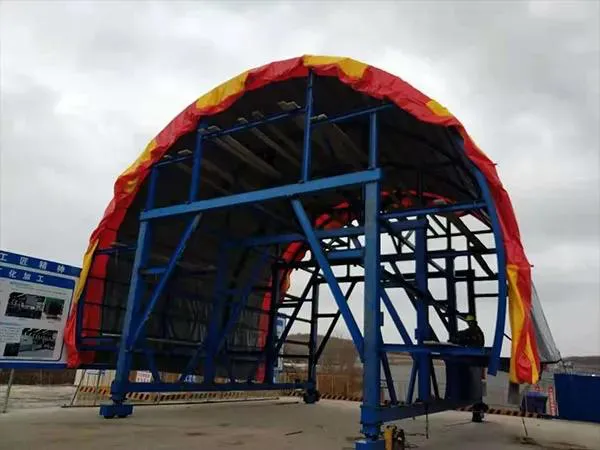
Deconstruction of tunnel formwork involves removing heavy steel or aluminum panels, supports, and braces after the concrete has reached sufficient strength. Unlike conventional formwork, tunnel formwork is typically large and integrated, which increases the risk of accidents if safety protocols are ignored. Common hazards include:
Structural Instability: Premature removal of supports may cause formwork panels to collapse, leading to serious injury or property damage.
Falling Objects: Loose or improperly secured panels can fall during dismantling, posing risks to workers below.
Pinch and Crush Injuries: Workers handling heavy panels and locking mechanisms are at risk of hand and foot injuries.
Slips and Trips: Residual concrete, scaffolding, and temporary supports can create uneven surfaces, increasing the likelihood of falls.
Given these risks, companies and site supervisors must implement comprehensive safety precautions for tunnel formwork deconstruction before initiating any dismantling operation.
1. Conduct a Detailed Pre-Deconstruction Assessment
Before starting deconstruction, project managers should assess the site conditions and the formwork system. This includes:
Verifying that the concrete has achieved the design strength specified by structural engineers.
Identifying load-bearing points and ensuring that temporary supports remain intact until removal.
Reviewing the deconstruction sequence to minimize risks associated with uneven load distribution.
A pre-deconstruction assessment allows teams to anticipate hazards and develop mitigation strategies tailored to the specific tunnel formwork system.
2. Implement a Controlled Deconstruction Plan
A structured plan is essential for minimizing risks. Key elements include:
Sequencing: Panels should be removed in a pre-determined order, starting from areas of least structural load.
Communication: Supervisors must maintain clear lines of communication with workers during every step.
Supervision: Experienced personnel should oversee all lifting, lowering, and detachment operations to prevent unsafe practices.
By adhering to a controlled plan, teams can systematically reduce the chance of panel collapse or uncontrolled movements.
3. Use Proper Personal Protective Equipment (PPE)
PPE is a fundamental element of safety precautions. Workers should always wear:
Hard hats to protect against falling objects.
Safety gloves to prevent cuts and crush injuries when handling panels.
Steel-toed boots to guard against heavy equipment impact.
High-visibility clothing for easy identification in low-light or congested areas.
Ensuring compliance with PPE usage significantly reduces the severity of injuries in case of accidents.
4. Employ Mechanical Lifting and Support Tools
Tunnel formwork panels are heavy and often cumbersome to maneuver manually. Utilizing mechanical aids such as cranes, hoists, or hydraulic jacks can:
Reduce the physical strain on workers.
Improve precision during panel removal.
Prevent accidental dropping or tipping of panels.
Additionally, temporary braces and support props should remain in place until the panel is fully detached, providing a fail-safe against sudden collapses.
5. Monitor Environmental Conditions
External factors such as weather, lighting, and site surface conditions directly impact safety. Teams should:
Avoid deconstruction during strong winds, heavy rain, or icy conditions that may compromise stability.
Ensure adequate lighting in areas where panels are lifted or moved.
Keep work areas clean and free from debris to prevent slips and trips.
A proactive approach to environmental monitoring helps maintain a safe and efficient workflow during formwork removal.
6. Provide Comprehensive Worker Training
No safety precaution is effective without proper training. Workers involved in tunnel formwork deconstruction should be familiar with:
System-specific deconstruction procedures.
Safe handling techniques for heavy panels and locking mechanisms.
Emergency response protocols in case of panel failure or injury.
Regular training sessions, combined with on-site supervision, foster a culture of safety awareness and accountability.
7. Conduct Post-Deconstruction Inspections
Once panels are removed, it is critical to inspect the site to ensure:
No loose materials remain that could pose a risk to personnel.
Structural integrity is maintained in areas where temporary supports have been removed.
Equipment is properly stored to prevent accidental trips or damage.
Post-deconstruction inspections confirm that all safety precautions were effective and identify areas for future improvement.
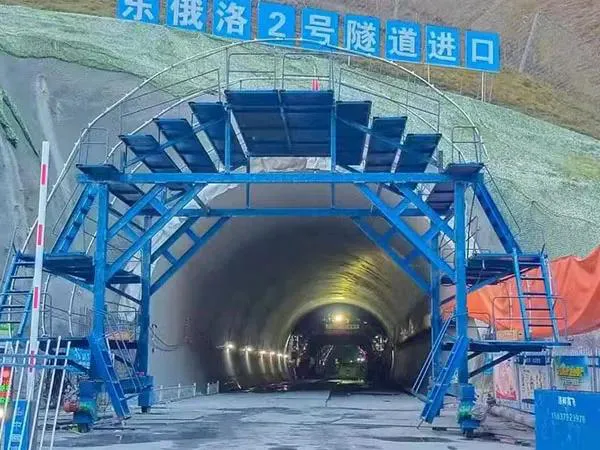
Modern construction sites increasingly rely on technology to improve safety during formwork deconstruction. Innovations such as digital load monitoring, remote-controlled lifting systems, and augmented reality planning tools allow supervisors to:
Predict stress points and avoid unsafe panel removal sequences.
Monitor worker positions and enforce safe distances automatically.
Visualize deconstruction plans before physically dismantling panels.
Integrating technology into deconstruction workflows strengthens safety measures while enhancing overall project efficiency.
Tunnel formwork deconstruction is a complex and potentially hazardous process that requires meticulous planning and execution. By adhering to established safety precautions for tunnel formwork deconstruction, construction teams can protect workers, maintain structural stability, and improve project timelines. From pre-deconstruction assessments and controlled removal sequences to PPE usage, mechanical aids, environmental monitoring, and ongoing training, a holistic approach ensures that safety remains the top priority.
Implementing these measures not only reduces the risk of accidents but also reinforces a culture of safety and professionalism on construction sites. Companies that invest in proper safety protocols and modern technological aids can achieve faster, more efficient formwork cycles while safeguarding their most valuable asset—their workforce.
Gaofei
Address: 200m east of tulip garden, group 12 of zhangling community, hongshan street office, hongshan town, xigong district, Luoyang
Tel: +8616638856888
Contact: Gaofei Huang
Mobile: +86-18637923976
Phone: 0379-80881719/ 0379-60162687
QQ: 286827457
E-mail: gaofei@gf-bridge-tunnel.com