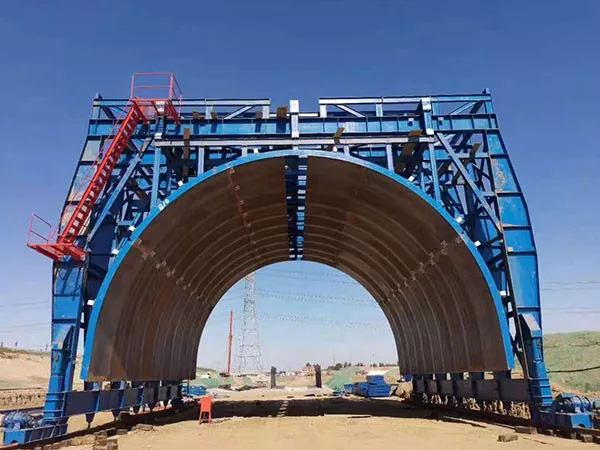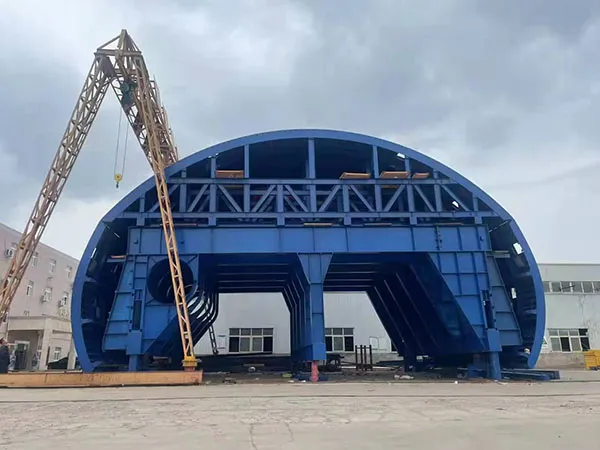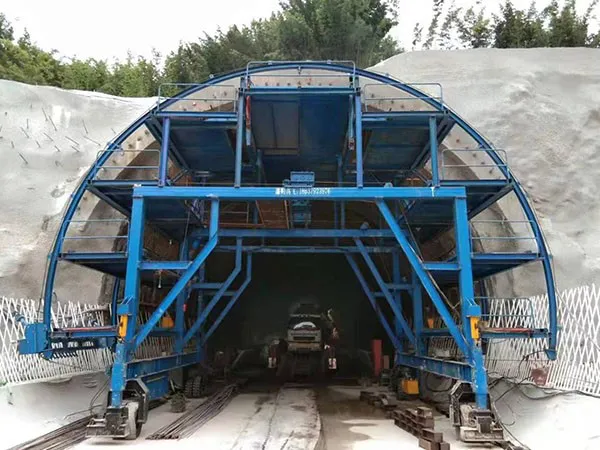

Tunnel construction is one of the most challenging and high-risk sectors in civil engineering. Among all stages, tunnel secondary lining operations are particularly critical, as they provide the tunnel with long-term structural stability and durability. However, these operations involve heavy machinery, confined spaces, and multiple hazards, making strict safety standards essential—not only to comply with regulations but also to protect workers and maintain project timelines.
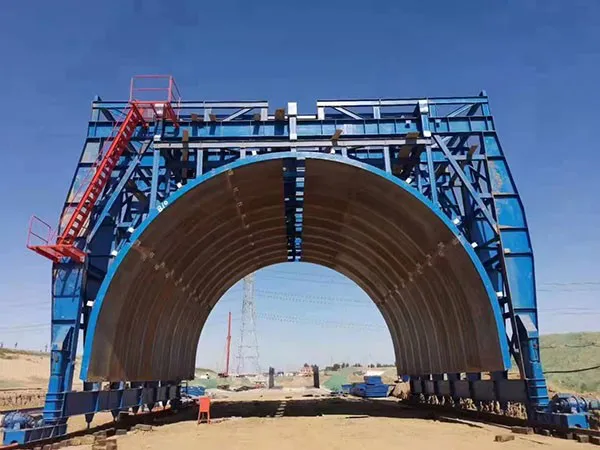
In this article, we examine essential safety standards and best practices for tunnel secondary lining, highlighting practical strategies to prevent accidents, ensure compliance, and improve operational efficiency.
Secondary lining is the final structural layer applied inside a tunnel after the primary lining or initial support. Typically composed of reinforced concrete or shotcrete, and often combined with waterproofing membranes, its primary roles include:
Enhancing structural stability: Distributes loads and reinforces the tunnel shell.
Reducing water infiltration: Protects the tunnel from long-term moisture damage.
Extending tunnel lifespan: Prevents deterioration and reduces maintenance frequency.
Providing a smooth interior surface: Facilitates safe transport, ventilation, and utility installations.
Due to its structural significance, any mistakes during secondary lining can have serious consequences, including structural failure, machinery accidents, and severe worker injuries.
Working inside tunnels presents a unique set of risks. Awareness of these hazards is the first step toward prevention:
Confined Spaces: Limited ventilation can cause oxygen deficiency and accumulation of harmful gases such as carbon monoxide or dust.
Heavy Machinery Risks: Concrete pumps, sprayers, and formwork equipment pose mechanical hazards if improperly handled.
Falling Objects: Materials, tools, or debris from overhead work can lead to serious injuries.
Slips, Trips, and Falls: Wet or uneven surfaces, temporary scaffolding, and debris increase the risk of accidents.
Fire and Electrical Hazards: Temporary electrical systems and flammable materials elevate the risk of fire or electric shock.
Adhering to recognized safety standards is crucial for legal compliance and worker protection. Key frameworks include:
OSHA Guidelines: U.S. Occupational Safety and Health Administration standards for tunnel construction.
ISO 45001:2018: International standard for occupational health and safety management systems.
Local Construction Safety Codes: Typically define maximum working loads, ventilation requirements, emergency procedures, and PPE mandates.
These standards emphasize risk assessment, worker training, personal protective equipment (PPE), and pre-operation safety checks, forming the foundation of a safe working environment.
Implementing proactive safety measures dramatically reduces the likelihood of accidents. Recommended practices include:
a. Pre-Operation Safety Planning
Conduct comprehensive risk assessments for each tunnel section before work begins.
Ensure machinery is regularly inspected and maintained.
Verify ventilation systems are functioning optimally to prevent hazardous gas accumulation.
b. Worker Training and PPE
Train workers on tunnel-specific hazards and emergency procedures.
Enforce the use of helmets, high-visibility vests, safety boots, and respiratory protection.
Educate teams on hazard recognition and safe operating techniques.
c. Equipment and Process Controls
Employ automated or remote-controlled spraying systems to minimize worker exposure.
Secure scaffolding and formwork with proper anchorage and stability measures.
Maintain clear communication channels among all team members, including signaling systems in noisy environments.
d. Emergency Preparedness
Install emergency exits, lighting, and fire suppression systems.
Conduct regular drills for evacuation, fire, and first-aid response.
Keep emergency response plans accessible and updated for every tunnel section.
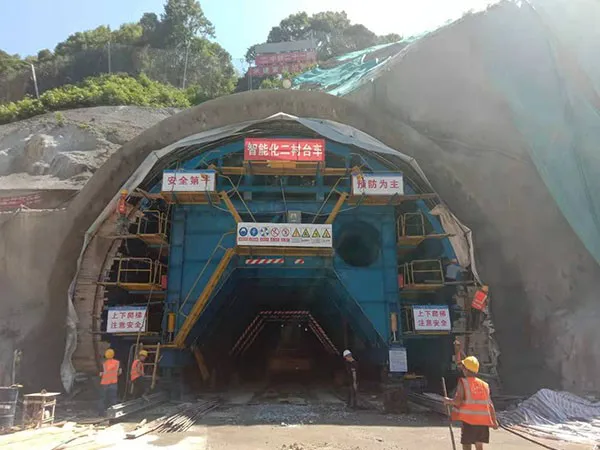
Safety is not a one-time effort; it requires continuous oversight and refinement:
Perform regular safety audits and inspections.
Encourage immediate reporting and investigation of near-misses.
Update procedures based on lessons learned, technological advances, and evolving standards.
Promote a culture of safety, where workers actively participate in risk reduction and procedural improvements.
By maintaining vigilant monitoring, tunnel projects not only comply with regulations but also achieve higher efficiency, reduced downtime, and improved construction quality.
Tunnel secondary lining is inherently high-risk, but adherence to rigorous safety standards can prevent accidents, safeguard workers, and ensure the structural integrity of the tunnel for decades.
From thorough risk assessment and PPE compliance to modern equipment management and emergency preparedness, every safety measure contributes to successful and efficient tunnel construction.
For construction companies, embedding these standards into daily operations is not optional—it is essential. By staying informed and vigilant, you ensure that every tunnel lining operation meets the highest standards of safety and efficiency.
Gaofei
Address: 200m east of tulip garden, group 12 of zhangling community, hongshan street office, hongshan town, xigong district, Luoyang
Tel: +8616638856888
Contact: Gaofei Huang
Mobile: +86-18637923976
Phone: 0379-80881719/ 0379-60162687
QQ: 286827457
E-mail: gaofei@gf-bridge-tunnel.com