Tunnel construction is a complex and high-stakes process. Selecting the right tunnel lining is crucial not only for ensuring structural stability but also for minimizing operational risks and long-term maintenance costs. Whether you are working on a metro, railway, highway, or mining tunnel, understanding the requirements for tunnel linings can save time, reduce costs, and most importantly, ensure safety.
Choosing the right tunnel lining for metro, railway, and highway projects is a critical decision in tunnel design, as it directly impacts safety, durability, constructability, and cost. The selection process involves balancing numerous technical and non-technical factors, primarily driven by the ground conditions and the tunnel's function.
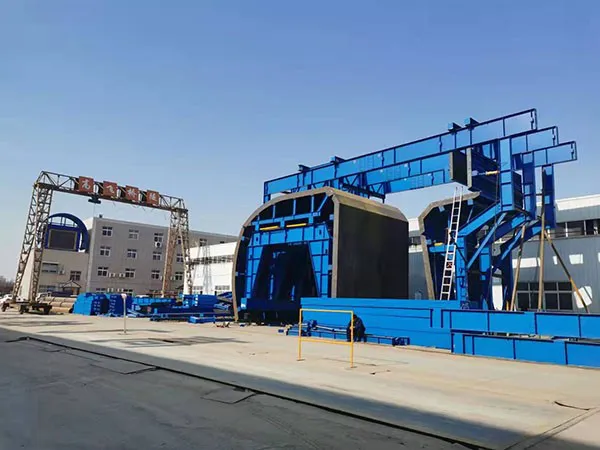
A tunnel lining acts as the main structural layer that supports surrounding ground pressure, controls deformation, and ensures durability. Incorrect lining selection may result in:
Unexpected cracking or structural failure
Excessive settlement or ground subsidence
Higher maintenance and repair costs
Delays or complete suspension of construction
Serious safety hazards for workers and end-users
In extreme cases, poor lining design can compromise the entire tunnel’s operational safety. This is why tunnel lining selection must be based on geological conditions, load requirements, and long-term durability.
Key Factors to Consider in Tunnel Lining Selection
The decision is complex and requires thorough geotechnical investigation. The main factors can be broadly classified:
A. Geotechnical and Hydrogeological Conditions
This is the most crucial factor, as the ground dictates the required support.
Ground Type and Strength:
Hard Rock: Often allows for thinner linings or even unlined sections where the rock has inherent self-supporting ability (arch action). Initial support may include rock bolts, mesh, and shotcrete.
Soft Ground (Clay, Sand, Silt): Requires immediate and robust support due to low inherent strength and the risk of collapse. This typically necessitates precast concrete segmental linings installed by a Tunnel Boring Machine (TBM).
Squeezing/Swelling Ground: Requires linings that can accommodate or resist high-intensity pressures and deformations.
Groundwater:
High Water Pressure/Flow: Requires a waterproof or highly water-resistant lining system, often involving a two-pass lining (initial support + final lining with a waterproofing membrane) or specialized gaskets and sealing in one-pass segmental linings.
Seismic Activity: Requires linings designed to withstand ground deformations caused by earthquakes.
B. Tunnel Function and Design Requirements
The use of the tunnel imposes specific structural and operational demands.
Metro/Railway Tunnels:
Need to support high dynamic loads from trains.
Require a dimension (inner diameter) that accommodates the construction gauge and car gauge.
Often require a high degree of watertightness to protect electrical systems and maintain a dry environment.
Highway Tunnels:
Need to accommodate traffic volume and number of lanes.
Structural design must account for the load of heavy goods transport (HGVs) and the risk of fire incident (requiring fire-resistant materials and design).
May have larger spans, which influences lining shape and thickness.
Tunnel Cross-Sectional Profile: Affects constructability and structural behavior (e.g., circular, horseshoe, or box-shaped).
C. Construction Method
The method used to excavate the tunnel often dictates the lining type.
Tunnel Boring Machine (TBM): Almost exclusively uses precast concrete segmental linings (one-pass lining) which are installed directly behind the TBM shield.
New Austrian Tunneling Method (NATM) / Sequential Excavation Method (SEM): Primarily uses a sprayed concrete (shotcrete) initial lining with rock bolts and steel ribs, followed by a cast-in-place concrete final lining (two-pass lining).
Drill-and-Blast: Typically uses shotcrete and rock bolts for initial support, followed by a cast-in-place concrete final lining.
Cut-and-Cover: Uses diaphragm walls, sheet piles, or bored piles for support, with the final structure being a cast-in-place or precast concrete box or arch.
D. Non-Technical Factors
These factors govern the economic viability and project timeline.
Cost: Segmental linings (TBM) involve high upfront costs but offer speed. Cast-in-place linings (NATM/Drill-and-Blast) are often more labor-intensive but may be cost-effective for shorter, complex, or rock tunnels.
Time/Schedule: TBM methods with segmental linings are generally faster for long, continuous drives.
Environmental and Social Impact: Methods that minimize surface disruption (TBM) are favored in urban areas like metro projects.
| Lining Type | Material & Structure | Typical Application | Key Characteristics |
| Precast Segmental | Reinforced Concrete (RC) or Fiber Reinforced Concrete (FRC) segments bolted together in rings. | Long, deep tunnels in soft ground (Metro, long Rail) using TBM. | One-pass lining. Rapid installation. Excellent for high water pressure. Cost-effective for long, standardized drives. |
| Cast-in-Place Concrete | Plain or reinforced concrete poured into forms after excavation. | Final lining (secondary lining) in rock or stable ground tunnels (Highway, Rail) using NATM or Drill-and-Blast. | High durability and fire resistance. Used for irregular shapes/sizes. Requires time for curing. |
| Shotcrete (Sprayed Concrete) | Concrete sprayed onto the excavated surface. | Initial lining (primary support) for NATM/SEM tunnels in varying ground. Can be a final lining in stable rock. | Flexible and adapts to ground conditions. Forms a shell that utilizes the ground's strength (Composite Lining). |
| Steel Ribs & Lagging | Steel arches (ribs) with wooden or metal sheets (lagging). | Initial support in poor rock or soft ground, usually combined with shotcrete. | Provides quick, robust temporary support. |
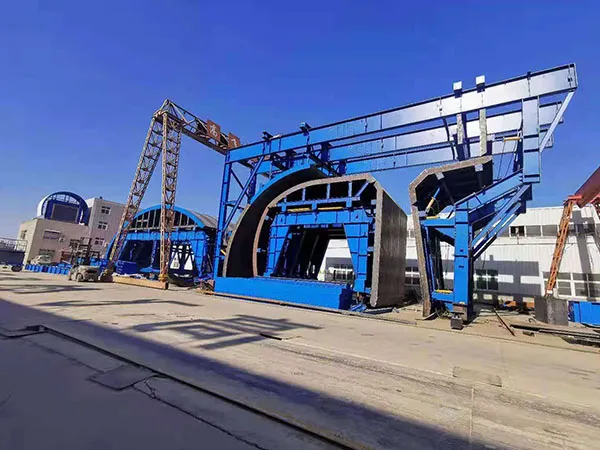
Tunnel lining selection follows a systematic, phased design approach:
Site Investigation and Geotechnical Modeling:
Thorough geological and hydrogeological surveys determine soil/rock mass quality, strength, and groundwater conditions.
Tunneling Method Selection:
Based on ground conditions, length, and alignment, the primary excavation method is chosen (TBM, NATM, Drill-and-Blast, Cut-and-Cover). This largely narrows down the lining options.
Lining System Choice (One-Pass vs. Two-Pass):
One-Pass (e.g., TBM Segmental): The segmental lining acts as both temporary and permanent support. Preferred for soft ground and high-water pressure.
Two-Pass (e.g., Shotcrete Primary + Cast-in-Place Secondary): The primary lining stabilizes the opening, and the secondary lining provides the final required structure, durability, and waterproofing. Preferred for variable rock conditions or when high fire resistance is needed.
Material and Dimensioning:
The final material (e.g., RC, FRC, steel fiber shotcrete) and dimensions (thickness, segment width) are determined based on design loads (ground pressure, water pressure, dynamic traffic loads, seismic forces) and the required service life.
Consequences of Wrong Tunnel Lining Selection
Excessive ground deformation
Crack formation and water leakage
Costly reinforcement or emergency repairs
Project delays and budget overruns
Severe safety hazards for workers and passengers
Highlighting these risks underscores the importance of professional planning, accurate geological surveys, and reliable tunnel lining equipment.
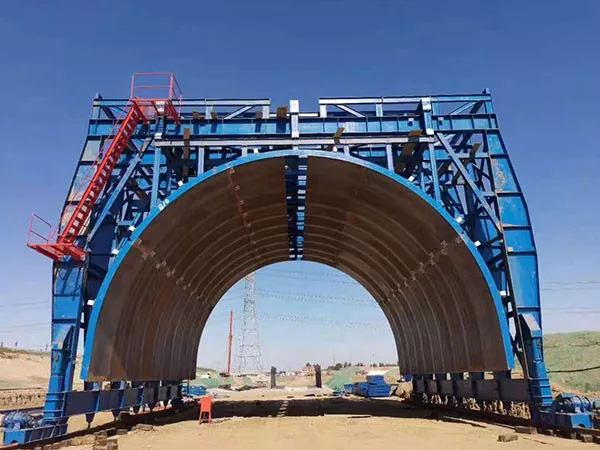
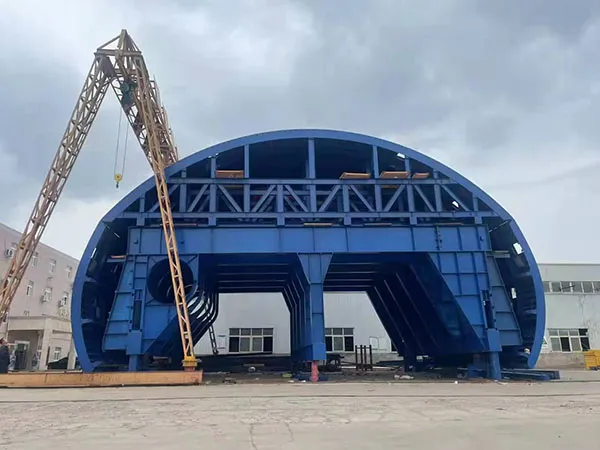
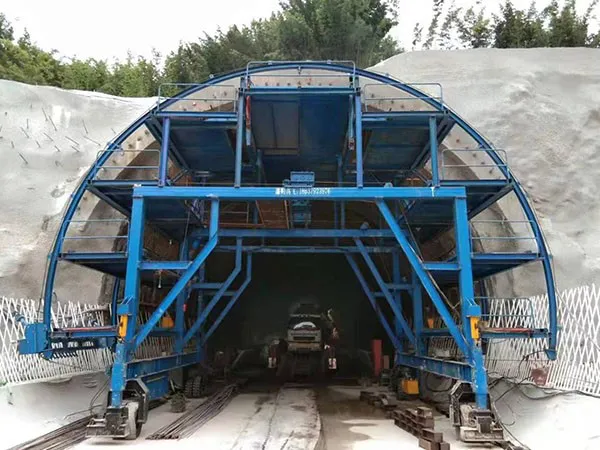
Even the best lining design requires precise installation. Using advanced tunnel lining equipment, such as lining trolleys and tunnel lining formwork systems, can significantly improve construction quality:
Ensure accurate and uniform segment placement
Improve alignment and structural integrity
Reduce manual labor intensity
Speed up construction cycles
Increase overall safety and efficiency
Reliable tunnel lining trolleys and formwork systems help prevent installation errors, reduce deformation risks, and ensure the lining performs exactly as designed.
Choosing the right tunnel lining is not simply a technical decision—it is a crucial step in guaranteeing tunnel safety, performance, and cost efficiency. Metro, railway, highway, and mining tunnels each require different considerations, from load-bearing capacity and deformation control to environmental adaptability and safety standards.
By combining the right lining material with professional tunnel lining equipment, project managers and engineers can ensure long-term stability, minimize risks, and achieve higher construction efficiency.
If your goal is to improve tunnel quality, reduce maintenance costs, and enhance project success, selecting the appropriate tunnel lining system is the first and most important step.
Gaofei
Address: 200m east of tulip garden, group 12 of zhangling community, hongshan street office, hongshan town, xigong district, Luoyang
Tel: +8616638856888
Contact: Gaofei Huang
Mobile: +86-18637923976
Phone: 0379-80881719/ 0379-60162687
QQ: 286827457
E-mail: gaofei@gf-bridge-tunnel.com