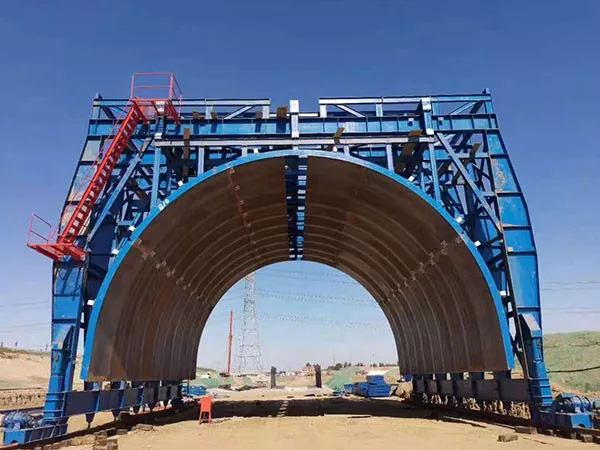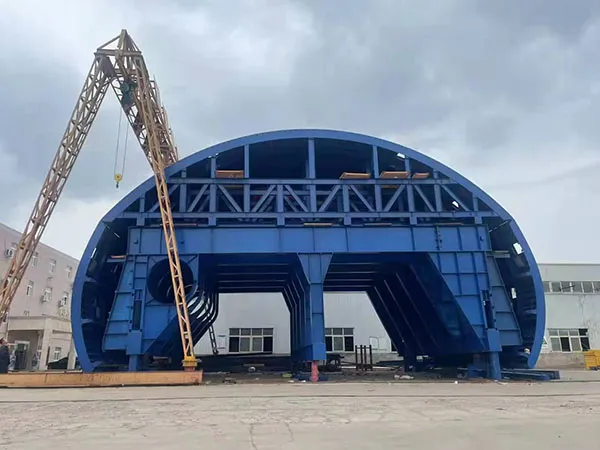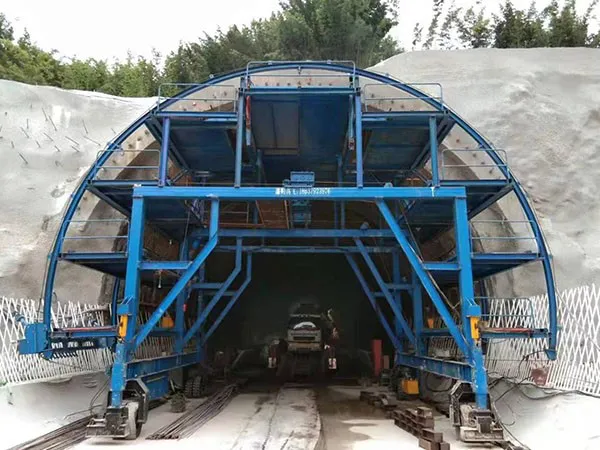
Tunnel construction is a highly specialized field where safety, durability, and long-term performance are non-negotiable. While primary supports stabilize the initial excavation, the secondary lining acts as the tunnel’s ultimate protective layer, ensuring reliability for decades. Understanding its importance helps engineers, contractors, and infrastructure planners maximize tunnel lifespan while reducing maintenance costs.
Tunnel secondary lining is the final structural layer applied after excavation and primary supports (like shotcrete or temporary linings). Unlike the primary lining, which mainly provides temporary stability, secondary lining ensures long-term protection and performance. Key functions include:
Structural Support: Reinforces the tunnel shell against soil movement and seismic activity.
Waterproofing: Prevents leaks that could compromise safety and equipment.
Environmental Resistance: Protects against chemical erosion, abrasion, and temperature fluctuations.
In essence, secondary lining serves as the tunnel’s long-term armor.
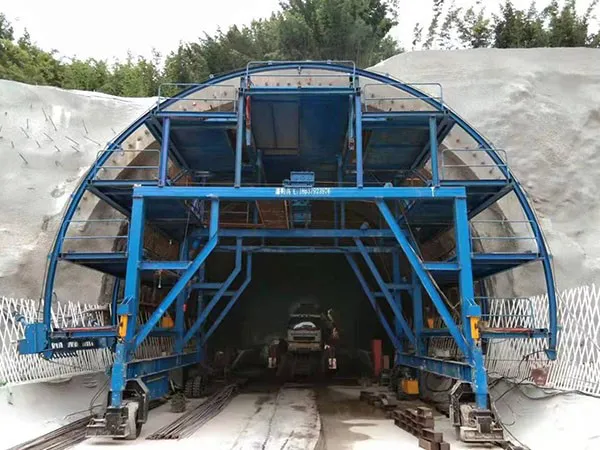
A well-designed secondary lining can extend tunnel life by decades, while poor-quality linings lead to early deterioration. Its benefits include:
Structural Safety
Secondary lining strengthens the tunnel shell, reducing the risk of cracks, deformation, or collapse caused by soil shifts or seismic activity.
Leak Prevention
Water infiltration is a common tunnel problem. Secondary lining combined with waterproof membranes blocks water seepage, protecting electrical systems and reinforcing steel from corrosion.
Durability Against Environmental Stress
High-quality lining materials resist abrasion, chemical exposure, and temperature changes, maintaining performance over time.
Even minor flaws can escalate into serious issues:
Tunnel leakage: Leads to wet conditions, mold, and safety hazards.
Cracking or spalling: Weak or improperly cured lining compromises structural integrity.
Corrosion of reinforcement: Water ingress accelerates steel corrosion, threatening overall strength.
Proactive measures are far cheaper and safer than emergency repairs.
To maintain optimal tunnel performance, implement these strategies:
Routine Inspections: Use laser scanning, ultrasonic testing, and moisture sensors to detect early damage.
Timely Waterproofing Repairs: Treat small leaks immediately with injection grouting or membrane fixes.
Structural Reinforcement: Strengthen damaged areas with fiber-reinforced concrete overlays or steel anchors.
Preventive Maintenance: Clear drainage systems, control humidity, and protect against chemical exposure to extend lining life.
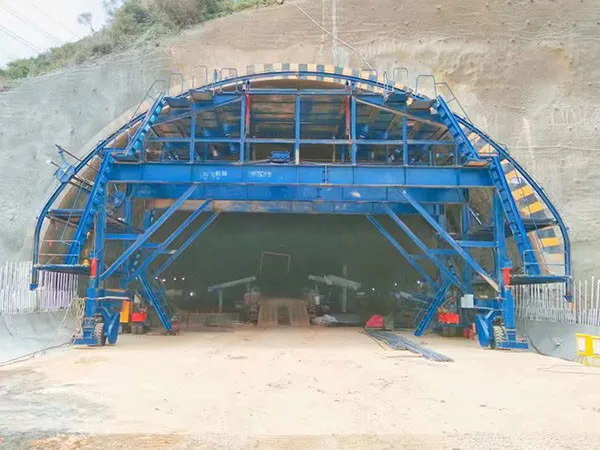
Secondary lining is not just a formality—it is essential for tunnel safety and longevity. Proper design, installation, and maintenance prevent leaks, cracks, and structural failure, saving time, costs, and enhancing reliability. For both new constructions and existing tunnels, high-quality secondary lining is an investment in safety, durability, and performance.
Gaofei
Address: 200m east of tulip garden, group 12 of zhangling community, hongshan street office, hongshan town, xigong district, Luoyang
Tel: +8616638856888
Contact: Gaofei Huang
Mobile: +86-18637923976
Phone: 0379-80881719/ 0379-60162687
QQ: 286827457
E-mail: gaofei@gf-bridge-tunnel.com