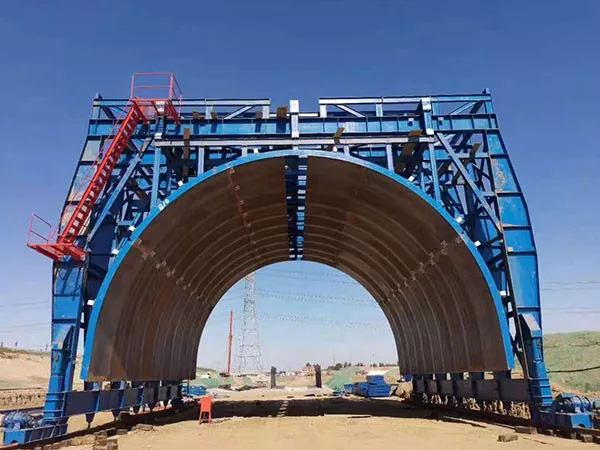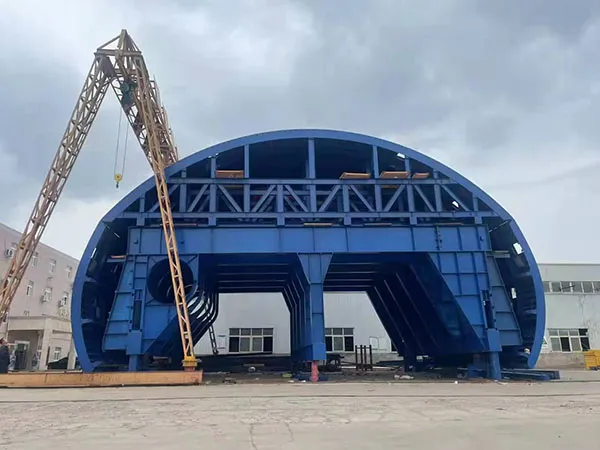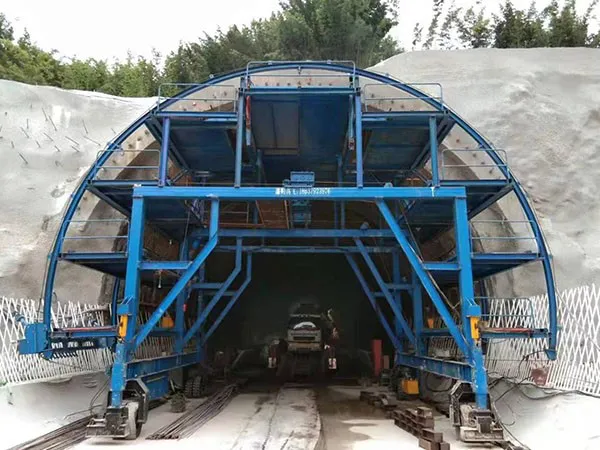

In modern tunnel construction, every minute counts, and safety is non-negotiable. Among the many pieces of equipment on-site, the secondary lining trolley plays a pivotal yet often overlooked role. Selecting the right trolley can significantly improve construction efficiency, labor productivity, and overall project quality. This guide dives deep into the practical considerations for choosing the most suitable trolley for your tunnel project.
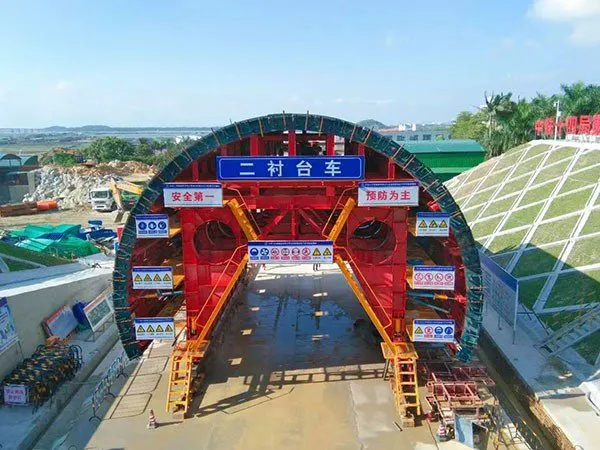
The first step in selecting a secondary lining trolley is to clearly define your project-specific needs. Different tunnels demand different trolley configurations. Consider the following factors:
Tunnel Diameter and Shape: Trolleys are engineered for specific tunnel dimensions. Using a trolley that is too wide or narrow can slow installation and may even compromise safety. Measure your tunnel accurately and verify that the trolley can handle curves or variable diameters if applicable.
Construction Speed: Fast-track projects require trolleys that enable quick assembly, easy maneuverability, and seamless movement along the rails. If your schedule is tight, prioritize trolleys designed for rapid installation.
Load Capacity: Evaluate the weight of concrete segments, pre-cast rings, or other materials the trolley will carry. Overloading a trolley can lead to mechanical failure, increased wear, or safety hazards. Always choose a trolley with a capacity margin beyond your expected loads.
By clearly assessing these factors, you can narrow your options and prevent costly delays caused by incompatible equipment.
The trolley’s design and materials determine its durability, reliability, and operational safety. When evaluating options, focus on:
Frame Material: Steel frames are strong and long-lasting but heavier, which may require more power to move. Aluminum alloy trolleys are lighter and easier to maneuver but may require additional reinforcement for heavy loads.
Modular Design: Some trolleys come with modular or adjustable components, allowing you to customize the trolley for different tunnel diameters or replace parts quickly without specialized tools.
Safety Features: Ensure the trolley is equipped with guardrails, secure locking mechanisms, anti-slip platforms, and emergency stops. Safety is paramount, particularly when teams work in confined tunnel environments.
A well-structured trolley minimizes maintenance costs and reduces downtime, ultimately improving project efficiency.
Smooth and safe movement within the tunnel is crucial for timely secondary lining. Pay attention to:
Rail Compatibility: Verify that the trolley fits your tunnel’s rail system. Misalignment can cause derailments, material damage, and operational delays.
Wheel Design: Steel wheels are ideal for durability on concrete tracks, while pneumatic wheels provide smoother travel over uneven surfaces. Choosing the right wheel type depends on track conditions and load requirements.
Turning and Adjustability: If your tunnel has curves or complex layouts, trolleys with adjustable steering, extendable sections, or modular configurations can navigate obstacles more effectively.
Better mobility translates to faster lining installation and reduced strain on the crew.
A trolley that is easy to maintain not only reduces downtime but also extends its service life:
Replaceable Parts: Look for trolleys with easily replaceable bearings, wheels, hydraulic systems, and other wear components. Quick replacement reduces project interruptions.
Corrosion Resistance: For tunnels exposed to water or high humidity, materials treated for corrosion resistance, such as galvanized steel or coated aluminum, can significantly prolong trolley life.
Service Support: Partner with suppliers who provide technical guidance, spare parts, and maintenance training. A reliable service network is critical to keeping operations running smoothly.
Proper maintenance planning ensures that your trolley remains a dependable part of your construction toolkit.
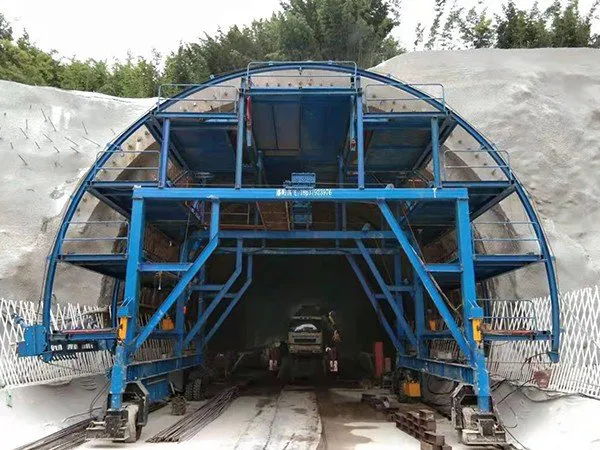
Not all secondary lining trolleys are created equal. Collaborating with an experienced manufacturer or supplier brings several advantages:
Customized Solutions: Suppliers can design trolleys tailored to your tunnel dimensions, load requirements, and specific construction methods.
Professional Guidance: Expert advice on operation, safety protocols, and routine maintenance reduces the risk of errors and accidents.
Long-Term Support: Reliable suppliers provide spare parts, on-site assistance, and technical updates throughout the project lifecycle.
A knowledgeable supplier can be the difference between smooth progress and costly delays.
Choosing the right secondary lining trolley goes beyond selecting a piece of equipment—it’s a strategic decision that affects your project’s efficiency, safety, and cost-effectiveness. By carefully considering:
Project requirements
Trolley structure and materials
Mobility and maneuverability
Maintenance and longevity
Supplier expertise
…you can ensure that secondary lining operations proceed safely and on schedule.
Investing time upfront to select the right trolley can save weeks of work, reduce operational risks, and streamline tunnel construction. In short, this seemingly small decision can have a major impact on the success of your project.
Gaofei
Address: 200m east of tulip garden, group 12 of zhangling community, hongshan street office, hongshan town, xigong district, Luoyang
Tel: +8616638856888
Contact: Gaofei Huang
Mobile: +86-18637923976
Phone: 0379-80881719/ 0379-60162687
QQ: 286827457
E-mail: gaofei@gf-bridge-tunnel.com