
Tunnels play a critical role in modern infrastructure, whether they serve as transportation corridors, utility passages, or water conveyance systems. The concrete lining of a tunnel, acting as both a structural shell and a protective layer, is subjected to immense stresses over time. Factors such as ground movement, water infiltration, chemical reactions, and construction imperfections can cause deterioration in tunnel linings. When such defects occur, timely repair is not only essential for maintaining safety but also for extending the operational lifespan of the tunnel.
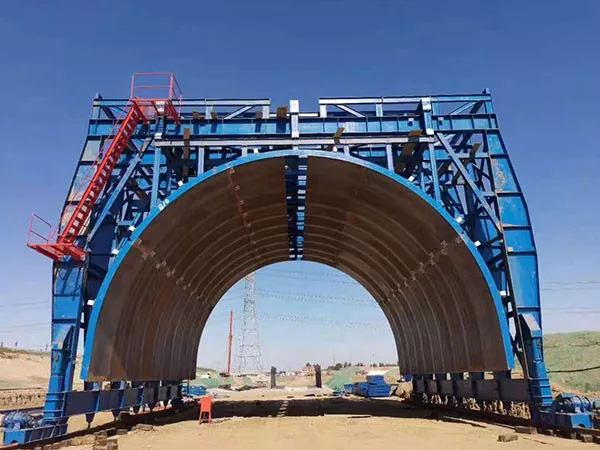
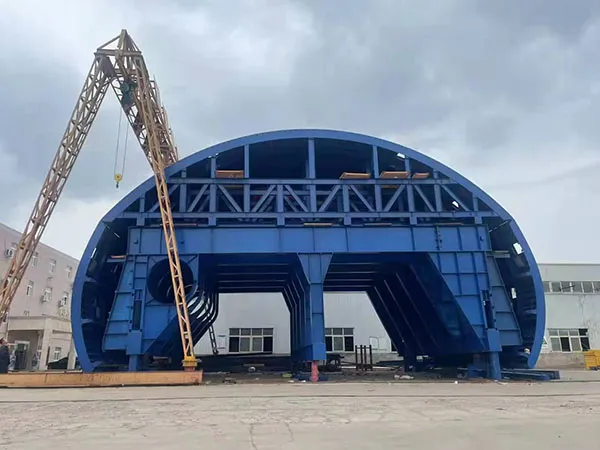
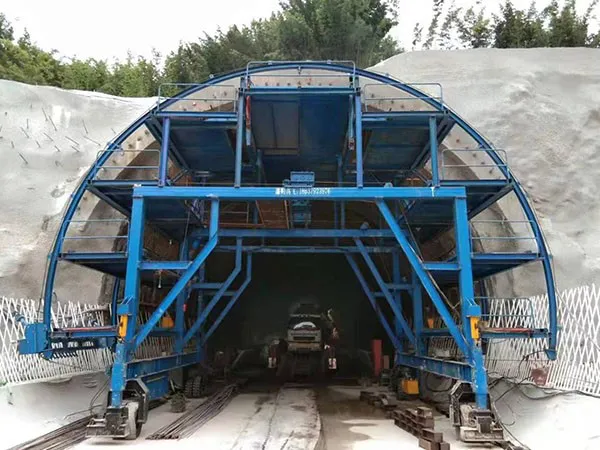
One of the most effective methods for repairing damaged tunnel linings is the use of specialized secondary formwork, which enables engineers and construction teams to restore structural integrity while maintaining precise geometrical control. Unlike traditional repair methods that may rely on hand-applied concrete or temporary scaffolding, secondary formwork provides a tailored, modular solution that can adapt to the curvature and dimensions of the tunnel.
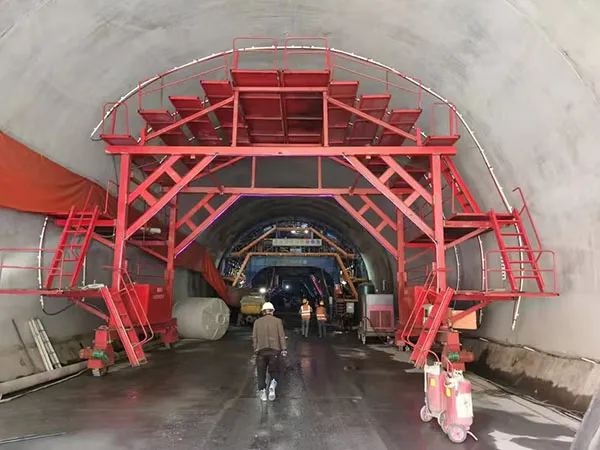
Before discussing repair strategies, it is crucial to identify why tunnel concrete linings degrade. Common causes include:
Mechanical Stress and Ground Movement: Tunnels are embedded in dynamic geological environments. Settlement, seismic activity, or unexpected ground pressure can create cracks or spalling in the concrete lining.
Water Infiltration and Corrosion: Water penetrating through cracks or joints can reach reinforcement bars, accelerating corrosion and weakening structural performance.
Chemical Attack: In some tunnels, groundwater or transported materials may contain sulfates, chlorides, or acidic components, which react with the concrete and reduce durability.
Construction Deficiencies: Inadequate compaction, poor curing, or deviations in original formwork can result in voids, honeycombing, or surface irregularities, which manifest as long-term maintenance challenges.
Addressing these issues requires a repair strategy that ensures the repaired segment can withstand mechanical loads, prevent water ingress, and integrate seamlessly with the existing structure. This is where specialized secondary formwork proves invaluable.
Secondary formwork refers to custom-designed molds that are installed after the initial tunnel lining has been constructed. Unlike standard primary formwork, which shapes the initial concrete pour, secondary formwork allows for highly localized repair with precision. The benefits include:
Accurate Alignment and Curvature Matching: Tunnel linings are often circular or elliptical. Specialized formwork is engineered to replicate these geometries exactly, ensuring that repaired sections do not introduce stress concentrations.
Controlled Concrete Placement: Secondary formwork supports controlled pouring, vibration, and compaction of repair concrete, minimizing voids and ensuring consistent density and strength.
Reduced Labor Intensity: Modular formwork systems can be installed and removed with less manual labor compared to traditional scaffolding methods. This not only improves worker safety but also shortens downtime for tunnel operations.
Compatibility with High-Performance Materials: Modern repair concrete often includes additives for rapid strength gain, shrinkage reduction, or enhanced durability. Secondary formwork accommodates these materials without compromising form stability.
Adaptability to Varied Defects: Whether addressing surface spalling, longitudinal cracks, or sectional voids, specialized formwork can be tailored to target specific repair areas without requiring complete tunnel closure.
The successful application of secondary formwork involves several carefully planned steps:
Inspection and Damage Assessment: Engineers conduct visual inspections, non-destructive testing, and sometimes core sampling to determine the extent and depth of concrete damage. Digital scanning technologies, such as LiDAR or photogrammetry, can provide precise measurements of defect geometry.
Surface Preparation: Damaged concrete must be removed, loose debris cleared, and the surface roughened to enhance bonding. For exposed reinforcement, rust removal and protective coating may be applied.
Formwork Design and Fabrication: Based on measurements, modular secondary formwork panels are fabricated to fit the exact contour of the tunnel. Adjustable components allow for fine-tuning on site.
Installation of Formwork: Panels are securely anchored to the existing lining. Engineers verify alignment using laser levels or 3D scanners to ensure conformity with the tunnel profile.
Concrete Placement: Specialized repair concrete is poured or pumped into the formwork. Techniques such as self-compacting concrete (SCC) can reduce the need for vibration while achieving uniform density.
Curing and Formwork Removal: Proper curing is essential for achieving design strength. Once the concrete has adequately hardened, formwork is carefully removed, revealing a seamless repaired lining.
Final Inspection and Quality Assurance: Engineers conduct final inspections to check for surface defects, dimensional accuracy, and structural integrity. Non-destructive testing ensures that the repaired segment meets design specifications.
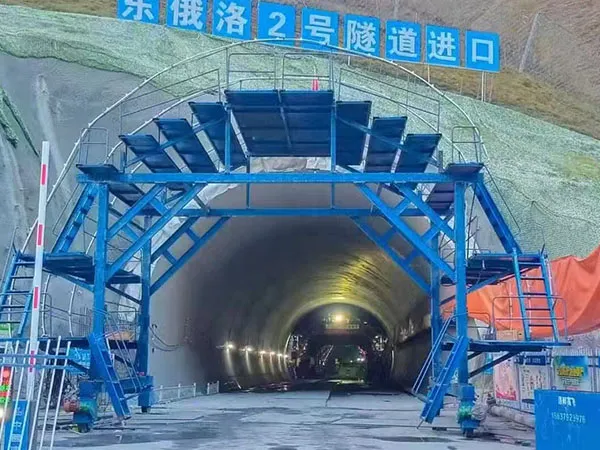
Modern tunnel repair projects often integrate advanced materials and techniques to optimize durability and reduce lifecycle costs:
Fiber-Reinforced Concrete: Incorporating steel or synthetic fibers improves crack resistance and toughness.
High-Performance Repair Mortars: These materials are engineered for rapid strength development, adhesion to existing concrete, and resistance to environmental degradation.
Corrosion Inhibitors and Waterproofing Layers: Applied in combination with secondary formwork, these treatments protect reinforcement bars from future corrosion.
Digital Modeling and BIM Integration: Building Information Modeling (BIM) allows for precise formwork design and clash detection before physical installation, reducing errors and material waste.
Working inside tunnels presents unique safety challenges. Limited access, poor ventilation, and confined spaces require stringent safety protocols. Secondary formwork systems help mitigate risks by minimizing manual handling and reducing the time workers spend in high-risk areas. Moreover, the modular nature of the formwork allows sections to be repaired sequentially, enabling partial tunnel operation rather than a full shutdown, which is particularly beneficial for transportation tunnels.
Repairing tunnel concrete linings is a complex but essential task to maintain infrastructure safety and performance. Employing specialized secondary formwork offers a precise, efficient, and adaptable solution that addresses the root causes of lining deterioration while ensuring long-term durability. By combining careful planning, advanced materials, and modular formwork technology, engineering teams can restore tunnel linings to their original structural integrity, prevent future damage, and optimize maintenance costs.
For tunnel operators and contractors, adopting these innovative repair methodologies represents not just a technical improvement but a strategic investment in infrastructure longevity and operational safety.
Gaofei
Address: 200m east of tulip garden, group 12 of zhangling community, hongshan street office, hongshan town, xigong district, Luoyang
Tel: +8616638856888
Contact: Gaofei Huang
Mobile: +86-18637923976
Phone: 0379-80881719/ 0379-60162687
QQ: 286827457
E-mail: gaofei@gf-bridge-tunnel.com