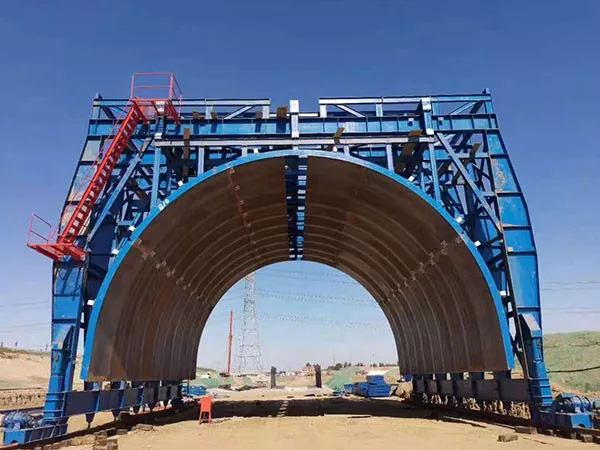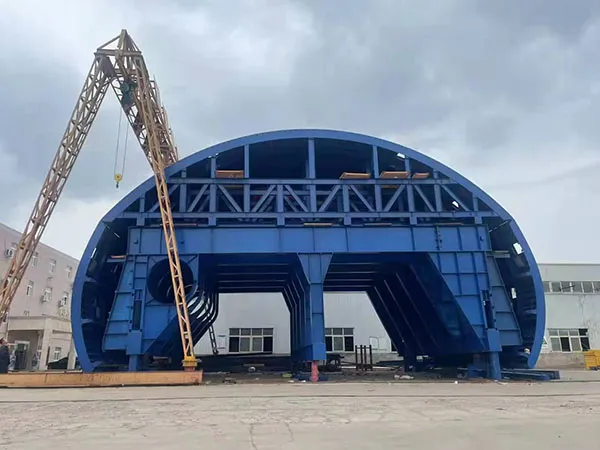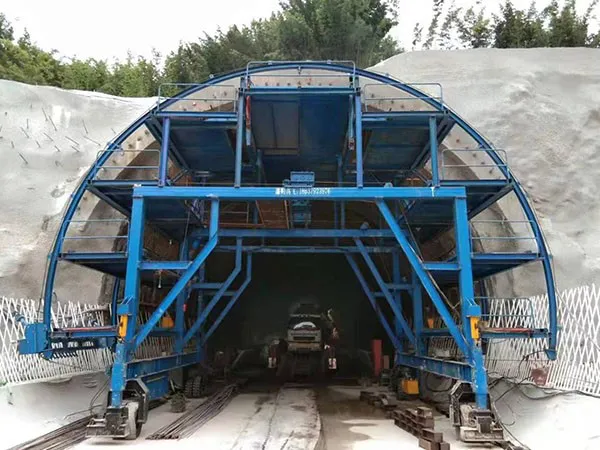

Tunnel construction is a critical component of modern infrastructure projects, from urban subway networks to long-distance highway tunnels. One of the most important factors in tunnel safety and longevity is the quality and compliance of the tunnel lining, particularly its thickness. Deviations from the specified lining thickness, known as tunnel lining thickness non-compliance, can compromise structural integrity, reduce durability, and increase maintenance costs. Understanding the causes of these deviations and implementing effective corrective strategies is essential for engineers, contractors, and project managers. This article explores practical approaches to how to solve tunnel lining thickness non-compliance, backed by industry insights and best practices.
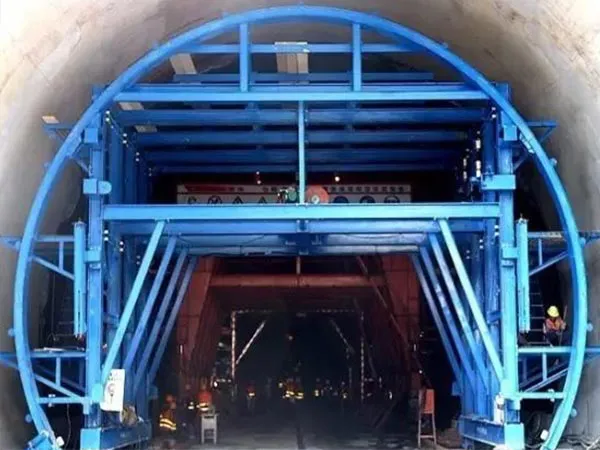
Tunnel lining serves as the primary structural support in tunnel construction, protecting against soil pressure, water infiltration, and other environmental stresses. Non-compliance occurs when the installed lining does not meet the design specifications for thickness, either exceeding or falling short of the intended measurement. The consequences of such non-compliance can be severe:
Structural Weakness: Insufficient lining thickness reduces the tunnel's load-bearing capacity, potentially leading to cracks or collapse under pressure.
Water Leakage and Corrosion: Thin linings are more prone to water infiltration, accelerating corrosion of steel reinforcements.
Increased Maintenance Costs: Rectifying non-compliant linings post-construction is both time-consuming and expensive.
Project Delays: Non-compliance can halt construction, affecting project timelines and stakeholder confidence.
By clearly identifying the causes and implementing targeted solutions, project teams can effectively mitigate these risks.
Understanding the root causes of non-compliance is the first step in resolving the issue. Several factors contribute to deviations in tunnel lining thickness:
1. Construction Material Variability
The quality of concrete or shotcrete used for tunnel lining is crucial. Variations in mixture consistency, water-cement ratio, or aggregate size can result in uneven application. Inconsistent material properties often lead to sections of lining that are thinner or thicker than design specifications.
2. Installation Errors
Improper spraying techniques, uneven placement, or insufficient compaction during construction can produce irregular lining thickness. Manual application without adequate monitoring often exacerbates this issue.
3. Design and Survey Inaccuracies
Errors in tunnel design, miscalculations in cross-section dimensions, or inaccurate survey measurements can contribute to non-compliance. When design parameters are not precisely translated into field execution, deviations are inevitable.
4. Environmental Factors
Groundwater pressure, soil settlement, and temperature fluctuations can influence lining thickness. For example, excessive water in the surrounding soil can wash away partially applied concrete before it sets, reducing effective thickness.
5. Inadequate Quality Control
Lack of frequent inspection and monitoring during the construction process allows non-compliant segments to go unnoticed until the project reaches an advanced stage, making corrections more difficult and costly.
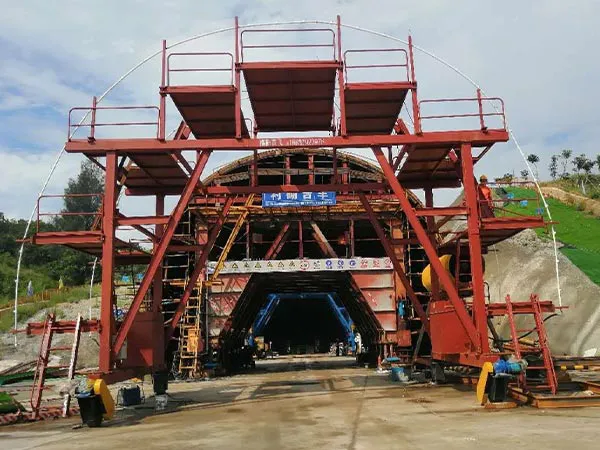
Addressing non-compliance requires a comprehensive approach, combining technical solutions, quality control measures, and proactive planning. The following strategies are widely recognized in modern tunnel construction.
1. Advanced Monitoring and Measurement Technologies
Implementing accurate measurement systems is critical. Laser scanning, total stations, and digital photogrammetry allow for real-time monitoring of tunnel lining thickness. These tools enable engineers to detect deviations early and take immediate corrective action.
2. Refined Construction Techniques
Optimizing the application of concrete or shotcrete ensures more uniform lining thickness. For instance, using mechanical sprayers with adjustable nozzles, combined with robotic or semi-automatic systems, reduces human error and improves precision.
3. Material Quality Control
Ensuring consistent quality of construction materials is essential. Pre-testing concrete mixes for flowability, density, and setting time helps prevent non-compliance. Additionally, using admixtures to enhance workability and reduce shrinkage contributes to uniform thickness.
4. Remediation Measures for Non-Compliant Sections
When non-compliance is detected, remedial actions can be applied, including:
Additional Layer Application: Applying extra layers of shotcrete or concrete to meet the design thickness.
Reinforcement Installation: Adding steel reinforcement where lining is insufficient to enhance structural capacity.
Surface Grinding and Recasting: In cases of excessive thickness, grinding down the surface or recasting the lining ensures uniformity.
5. Enhanced Quality Assurance and Inspection
Establishing a robust inspection schedule throughout the tunnel construction process is crucial. Daily or weekly thickness checks, supported by automated measurement systems, allow for early detection of irregularities. Combining visual inspection with digital measurement improves accuracy.
6. Training and Workforce Development
Educating workers on proper lining techniques, equipment operation, and material handling significantly reduces installation errors. Skilled operators are better equipped to identify potential issues during construction and correct them promptly.
7. Preemptive Design Adjustments
Designers can anticipate environmental challenges and adjust lining thickness in areas prone to water infiltration or high stress. Incorporating safety margins in the initial design reduces the risk of non-compliance during construction.
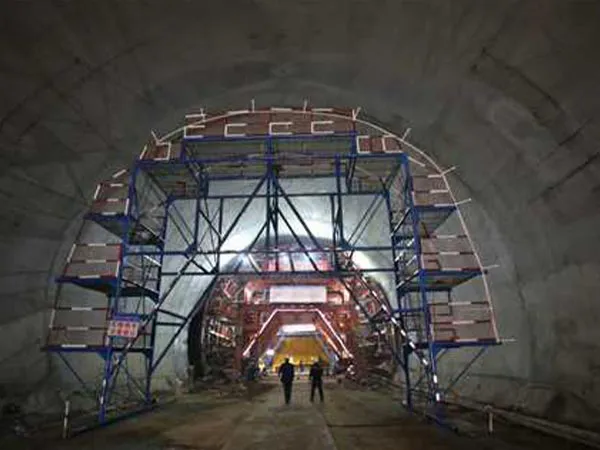
Beyond solving existing non-compliance, preventive strategies are essential for maintaining long-term tunnel safety and efficiency:
Integrated BIM and Digital Twin Models: Using Building Information Modeling (BIM) and digital twin technology allows engineers to simulate tunnel construction, predict potential deviations, and optimize lining application before physical construction begins.
Regular Equipment Maintenance: Ensuring that spraying and compaction equipment operates at peak performance prevents uneven application.
Continuous Training Programs: Maintaining ongoing training for the construction team keeps workers updated on the latest best practices and technologies.
Documentation and Reporting: Recording all measurements, material tests, and corrective actions creates a knowledge base that improves process control for future projects.
Addressing how to solve tunnel lining thickness non-compliance is essential for the safety, durability, and efficiency of tunnel projects. By understanding the root causes, employing advanced monitoring technologies, refining construction techniques, and implementing proactive quality control measures, construction teams can significantly reduce the risk of non-compliance. Corrective actions, combined with preventive strategies, ensure that tunnel structures meet design standards, withstand environmental pressures, and remain safe for long-term use.
For companies aiming to deliver reliable tunnel projects while minimizing maintenance costs, investing in proper lining management is no longer optional—it is a critical component of modern tunnel engineering. By prioritizing quality at every stage, from material selection to final inspection, engineers can build tunnels that not only meet specifications but also stand the test of time.
Gaofei
Address: 200m east of tulip garden, group 12 of zhangling community, hongshan street office, hongshan town, xigong district, Luoyang
Tel: +8616638856888
Contact: Gaofei Huang
Mobile: +86-18637923976
Phone: 0379-80881719/ 0379-60162687
QQ: 286827457
E-mail: gaofei@gf-bridge-tunnel.com