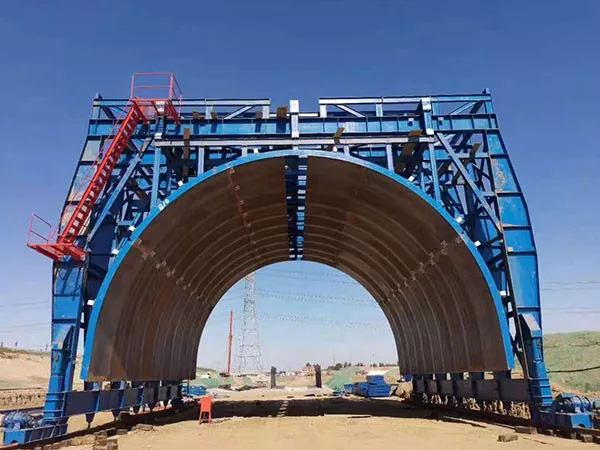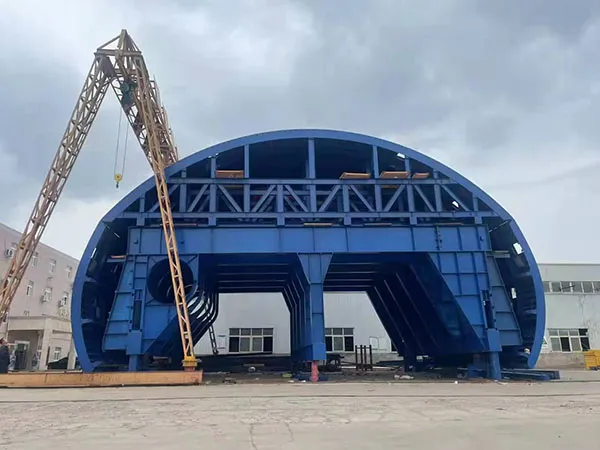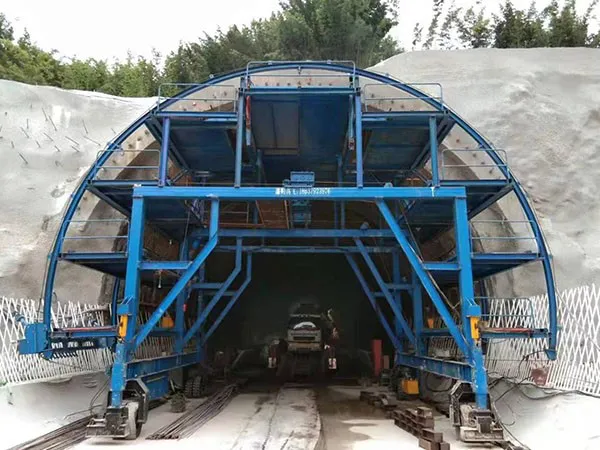

In modern tunnel engineering, maintenance and rehabilitation projects have become just as critical as new construction. As infrastructure ages and traffic demand increases, contractors are expected to complete repairs faster, safer, and with minimal disruption. Under these conditions, the automatic hydraulic tunnel maintenance trolley with integrated formwork system has emerged as a highly efficient solution. This article provides a comprehensive and practical overview of its specifications, structural features, and real-world application considerations, helping engineers and procurement teams make informed decisions.
An automatic hydraulic tunnel maintenance trolley is a mechanized platform system designed for lining repair, secondary lining reinforcement, crack treatment, and surface restoration in tunnels. Unlike traditional manual scaffolding or fixed formwork, this system integrates hydraulic lifting, positioning, and formwork adjustment into a single mobile unit.
The formwork component plays a central role. It directly determines the quality of the repaired lining surface, the dimensional accuracy, and the efficiency of the concrete pouring process. Therefore, understanding its specifications is essential for achieving both structural reliability and operational efficiency.
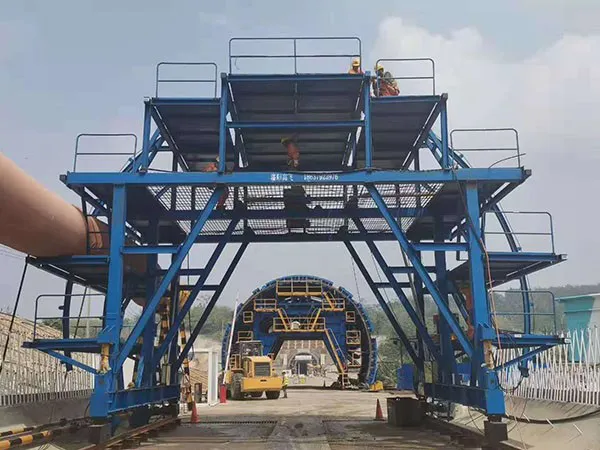
1. Structural Dimensions and Customization
Manufacturers typically design tunnel maintenance trolley formwork based on project-specific tunnel geometry. Common specifications include:
Applicable tunnel span: 6m to 18m (customizable for larger cross-sections)
Formwork length: 6m, 9m, or 12m modular sections
Maximum working height: up to 12m
Adjustable curvature radius to match circular, horseshoe, or composite tunnel profiles
A well-designed system ensures tight fitting between the formwork and the existing lining surface, which reduces leakage during concrete pouring and improves final surface quality.
2. Hydraulic System Configuration
The hydraulic system is the backbone of automation. It controls lifting, positioning, and demolding operations.
Key parameters usually include:
Hydraulic pressure range: 16–25 MPa
Cylinder synchronization accuracy: ≤ ±2 mm
Lifting stroke: 300–800 mm depending on design
Control mode: manual + remote or PLC-based intelligent control
A stable hydraulic system ensures smooth operation and reduces the risk of misalignment, which is critical for maintaining consistent lining thickness.
3. Formwork Material and Surface Treatment
Formwork materials directly affect durability and concrete finish quality.
Typical configurations include:
Steel form panels (Q235 or Q345) for high strength and rigidity
Surface treatment: polishing, anti-rust coating, or stainless steel overlay
Panel thickness: 6–10 mm depending on load requirements
High-quality surface treatment minimizes adhesion between concrete and formwork, which simplifies demolding and improves efficiency on site.
4. Mobility and Rail System
Mobility is essential in maintenance operations where frequent repositioning is required.
Standard specifications include:
Rail-mounted or rubber-tyred movement system
Travel speed: 6–10 m/min
Positioning accuracy: ≤ 5 mm
Braking and anti-slip safety devices
A reliable movement system reduces downtime between working sections and ensures precise alignment during each cycle.
5. Safety and Stability Features
Safety remains a top priority in tunnel environments, especially in confined spaces with limited ventilation.
Typical safety features include:
Multi-point locking system for formwork stabilization
Emergency stop function in hydraulic control system
Overload protection and pressure relief valves
Anti-fall guardrails and working platforms
These features not only protect workers but also ensure compliance with international construction safety standards.
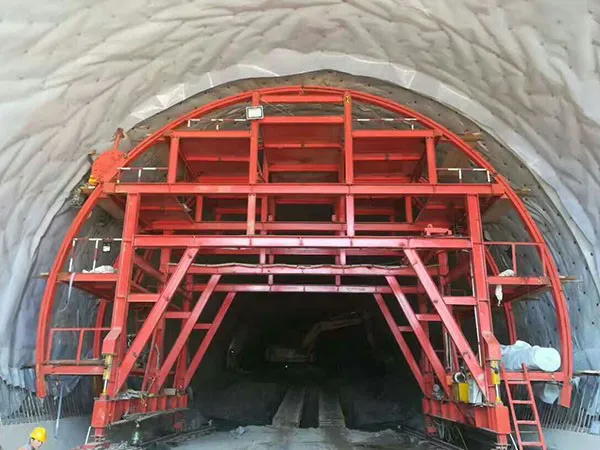
Improved Construction Efficiency
Compared to traditional methods, automatic hydraulic formwork systems significantly reduce setup time. A well-trained team can complete positioning, alignment, and pouring preparation within a few hours, which shortens the overall maintenance cycle.
Consistent Lining Quality
The precision of hydraulic control ensures uniform thickness and smooth surface finish. This consistency reduces the need for secondary repairs and improves the long-term durability of the tunnel lining.
Reduced Labor Intensity
Automation replaces a large portion of manual work, especially in lifting and positioning tasks. This not only reduces labor costs but also minimizes human error during operation.
Adaptability to Complex Tunnel Conditions
Modern systems can adapt to various tunnel geometries and maintenance scenarios, including curved sections, variable cross-sections, and limited working spaces.
When selecting an automatic hydraulic tunnel maintenance trolley formwork system, decision-makers should consider more than just price. The following factors play a crucial role in long-term performance:
Engineering compatibility: Ensure the system matches the tunnel profile and maintenance requirements
Manufacturer experience: Choose suppliers with proven project references in tunnel engineering
After-sales support: Availability of technical guidance, spare parts, and on-site commissioning
Customization capability: Ability to adapt design based on project-specific challenges
A well-matched system will deliver better performance and lower lifecycle costs.
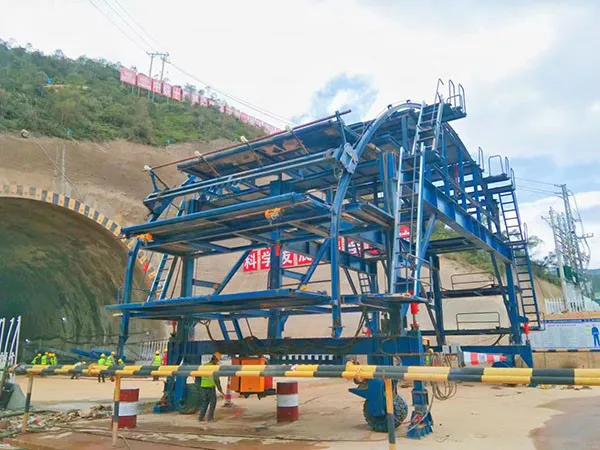
Even the most advanced equipment requires proper maintenance to perform reliably over time.
Operators should:
Regularly inspect hydraulic components for leaks or pressure loss
Clean and lubricate moving parts to prevent wear
Check formwork surface condition to maintain concrete finish quality
Calibrate control systems periodically for accuracy
Proper maintenance not only extends equipment lifespan but also ensures consistent construction quality.
The automatic hydraulic tunnel maintenance trolley formwork system represents a significant advancement in tunnel rehabilitation technology. Its combination of precision engineering, automation, and adaptability makes it an indispensable tool for modern infrastructure maintenance projects.
By understanding its specifications and selecting the right configuration, contractors can achieve higher efficiency, improved safety, and superior construction quality. For companies looking to enhance their tunnel maintenance capabilities, investing in a well-designed hydraulic formwork system is not just a technical upgrade—it is a strategic decision that directly impacts project success and long-term operational performance.
Gaofei
Address: 200m east of tulip garden, group 12 of zhangling community, hongshan street office, hongshan town, xigong district, Luoyang
Tel: +8616638856888
Contact: Gaofei Huang
Mobile: +86-18637923976
Phone: 0379-80881719/ 0379-60162687
QQ: 286827457
E-mail: gaofei@gf-bridge-tunnel.com