Tunnel construction is a complex process that demands precision, safety, and efficient workflow. Among all stages, concrete tunnel formwork installation plays a critical role: it shapes the tunnel structure, ensures the integrity of the concrete, and directly impacts both construction speed and worker safety. Improper installation can lead to structural defects, costly rework, or even serious accidents. This guide provides a practical, step-by-step approach to installing concrete tunnel formwork safely, drawing from real-world engineering practices.
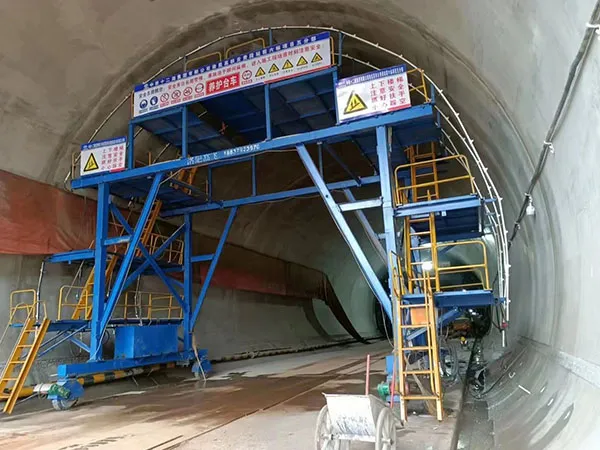
Before bringing any formwork onto the site, meticulous planning is essential:
Detailed Site Survey: Assess ground stability, water table level, and tunnel alignment. Identify potential hazards such as loose soil, underground utilities, or confined spaces.
Formwork Inspection: Check all panels, connectors, and supports for damage, warping, or corrosion. Only materials meeting project standards should be used.
Logistics Planning: Determine how panels, props, and cranes will be transported, lifted, and positioned in the tunnel environment.
Safety Setup: Install guardrails, safety nets, and signage. Ensure emergency evacuation routes are clear and accessible.
Tip: Conduct a mock setup of one tunnel section offsite if possible to anticipate potential alignment or installation issues.
Choosing the right formwork system is a critical step that affects construction quality and efficiency:
Tunnel Geometry: For circular, horseshoe, or rectangular tunnels, choose modular panels that match the curvature and dimensions.
Concrete Load Capacity: Calculate the maximum fresh concrete pressure to select panels that will not deform under weight.
Material Selection: Steel panels provide durability and long-term reuse potential, whereas aluminum is lighter and easier to maneuver in tight tunnel sections.
Reusability & Maintenance: Consider how many cycles the formwork will undergo; modular, high-quality panels reduce long-term project costs.
Pro Tip: For large tunnels, use a self-climbing or adjustable formwork system to speed up construction and improve safety.
Assembly requires precision and adherence to engineering drawings:
Panel Alignment: Use laser levels, plumb lines, and measuring tapes to align panels along both horizontal and vertical axes. Misalignment can cause structural stress in the concrete.
Secure Fastening: Bolts, clamps, and pins must be tightened according to manufacturer torque specifications to prevent panel movement.
Integrate Reinforcement: Position rebar cages, ductwork, or conduit prior to closing panels. Ensure reinforcement maintains the correct cover distance from the concrete surface.
Check Panel Gaps: Seal any gaps between panels with foam or tape to prevent concrete leakage.
Safety Note: Never stand directly under panels during positioning; always use guide ropes and mechanical lifts.
Concrete exerts high lateral and vertical pressure on tunnel formwork:
Install Shoring and Props: Adjustable steel props provide vertical support. Ensure props rest on stable ground or base plates to distribute load.
Cross Bracing: Use diagonal braces to resist lateral forces, especially in curved tunnel sections.
Load Testing: Before concrete pouring, apply a small test load to detect potential weaknesses in the support system.
Key Reminder: Overlooking proper bracing is one of the main causes of formwork failure in tunnels.
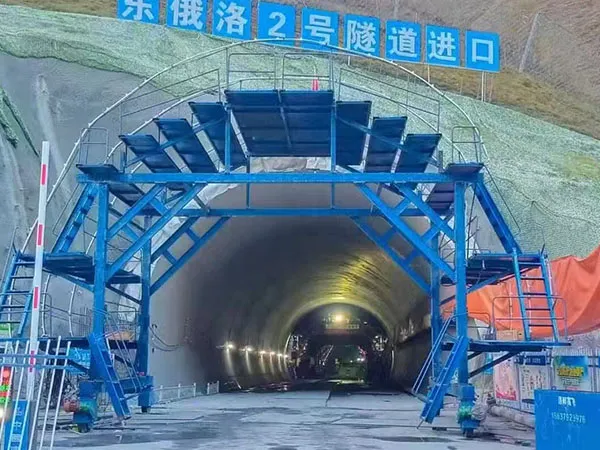
Safety checks must be systematic and documented:
Visual Inspection: Look for cracks, rust, or deformities in panels and connectors.
Connection Check: Verify that all clamps, bolts, and pins are secure. Loose fasteners can cause catastrophic panel movement.
Personnel Safety: Confirm all workers are wearing helmets, harnesses, gloves, and steel-toed boots. Workers should be trained to handle emergency scenarios.
Pro Tip: Assign a qualified engineer to oversee a final pre-pour inspection.
Pouring is the stage where formwork stability is most critical:
Even Pouring: Pour concrete gradually, maintaining uniform distribution to prevent uneven pressure.
Vibration & Compaction: Use internal or external vibrators to remove air pockets and achieve a dense concrete structure.
Monitoring: Continuously observe panels for deflection, bulging, or unusual noise. Stop immediately if any instability is detected.
Pouring Rate: Follow design guidelines for maximum pour height per lift to prevent overloading panels.
Tip: For long tunnels, consider sectional pouring to reduce stress on formwork and improve worker access.
After concrete reaches sufficient strength:
Careful Stripping: Remove panels gradually, starting from the top. Avoid sudden impacts that could crack the fresh concrete.
Panel Cleaning: Wash and inspect panels for damage, noting any dents, cracks, or bent edges for repair.
Storage: Store panels in a dry, level area to prevent corrosion and deformation. Keep an inventory for tracking wear and tear.
Long-Term Benefit: Well-maintained panels can be reused for multiple projects, lowering long-term construction costs.
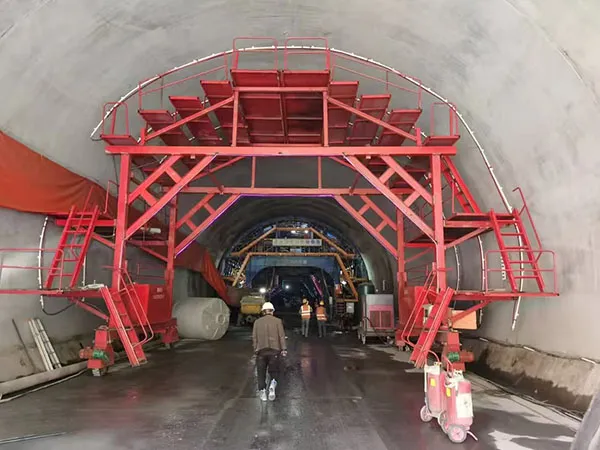
Training: All personnel should undergo training in formwork handling, safety procedures, and emergency response.
Communication: Establish clear hand signals and communication protocols for crane and lifting operations.
Documentation: Maintain a log of inspections, load tests, and any incidents to ensure accountability and improve future projects.
Continuous Improvement: Conduct post-project reviews to identify areas where installation efficiency or safety can be improved.
Installing concrete tunnel formwork safely requires a combination of careful planning, precise assembly, robust support, and continuous monitoring. Following these steps ensures the structural integrity of the tunnel, protects workers, and improves construction efficiency. By integrating practical field experience with engineering best practices, construction teams can achieve high-quality, durable, and safe tunnel structures, whether working on urban metro systems, highway tunnels, or large-scale infrastructure projects.
Gaofei
Address: 200m east of tulip garden, group 12 of zhangling community, hongshan street office, hongshan town, xigong district, Luoyang
Tel: +8616638856888
Contact: Gaofei Huang
Mobile: +86-18637923976
Phone: 0379-80881719/ 0379-60162687
QQ: 286827457
E-mail: gaofei@gf-bridge-tunnel.com